
Stroke Recovery Home Care Needs Estimator
Five quick inputs estimate the weekly home care hour range your family might plan for, plus the top three ADL categories likely to need help. These numbers are illustrative, not medical advice. Talk to your home care nurse and physician before finalizing a plan.
Estimated weekly home care hours
54 to 112 hours
Acute window profile: plan for heavy daytime care plus family or aide overnight presence, especially in the first two weeks home.
Top ADL categories likely to need help
- Transfers and bathing
- Dressing and toileting
- Medication reminders
These estimates are illustrative, not medical advice. Discuss any care plan with your physician and home care team.
What does home care after a stroke actually involve?
Home care after a stroke is the day-to-day non-medical support a stroke survivor needs at home: assistance with bathing, dressing, transfers, medication reminders, meal preparation, and supervision, delivered by trained aides who understand stroke-specific risks like falls, aphasia, and dysphagia.
Definition
Home care after a stroke is the non-medical support a stroke survivor receives at home, including help with ADLs, supervision, meal preparation, and stroke-specific safety measures.
Home care and home health are not the same service. Home care covers non-medical assistance with daily life and is usually paid privately, through Medicaid waivers, or by long-term care insurance. Home health is skilled clinical care, like nursing visits and physical therapy, typically paid by Medicare following a qualifying event. AveeCare provides software to both home care and home health agencies across all 50 states, with native EVV for the Medicaid-funded portion of post-stroke care plans.
| Setting | Who pays | What it covers |
|---|---|---|
| Inpatient rehab | Medicare Part A | Intensive multidisciplinary therapy, 24/7 nursing |
| Skilled home health | Medicare Part A | Nursing, PT, OT, speech therapy, intermittent visits |
| Home care (personal care) | Private pay, Medicaid waiver, LTCi | Bathing, dressing, transfers, meals, supervision |
Home-based support usually starts within 48 hours of discharge. The hospital case manager or discharge planner sets up the first home health visit and gives the family a list of personal-care agencies. According to MedlinePlus, recovery from a stroke is most active in the first weeks and months at home, which makes the early home care setup decisive for functional outcomes (MedlinePlus, 2024).
The first 48 hours
The 48 hours after hospital discharge are the highest-risk window for a fall, a medication error, or a missed warning sign of recurrent stroke. Many families schedule a home care aide for the first night home, even if longer-term coverage is still being arranged.
Which ADLs typically require help after a stroke?
After a stroke, most survivors need help with at least four of the six basic activities of daily living: bathing, dressing, toileting, transferring, continence, and feeding, with the specific deficits depending on which side of the brain was affected and how severe the stroke was.
The Katz Index is the standard six-item ADL scale clinicians and home care agencies use. Each item is scored independent or dependent, with scores totaling 0 to 6. A typical post-stroke survivor scores 2 to 4 in the first weeks. AveeCare's patient profile screen lets families and caregivers track ADL scores week over week so the home care team can see functional change in real time. For a deeper walk-through of the six Katz ADLs, see our Activities of daily living: the six Katz ADLs and how to score them.
The six ADLs and stroke-specific considerations
- Bathing. Stroke survivors often need transfer help into a tub or shower, a shower chair, and supervision for water temperature.
- Dressing. One-sided weakness makes buttons, zippers, and overhead garments difficult. Adaptive clothing helps.
- Toileting. Mobility limits and rushed timing increase fall risk. Bedside commodes are common in the first weeks.
- Transferring. Bed-to-chair and chair-to-toilet transfers are the highest-risk daily activity. A gait belt and trained technique matter.
- Continence. Urinary and bowel changes are common after a stroke and may need scheduled toileting plans.
- Feeding. Dysphagia and one-sided weakness affect feeding pace, texture, and safety.
Hemiparesis drives most transfer and dressing needs. Hemiparesis is one-sided muscle weakness after a stroke, ranging from mild to dense, and it most commonly affects the side opposite the brain hemisphere where the stroke occurred. The American Heart Association and American Stroke Association rehabilitation guideline recommends that caregivers learn safe transfer technique from the survivor's physical therapist before the first solo transfer at home (AHA/ASA, 2016).
Left-side neglect
Survivors of right-hemisphere strokes can develop left-side neglect, where they ignore objects, food, or even their own limbs on the left side. Home setup, plate orientation, and caregiver positioning all need to account for this.
Aphasia changes how the family communicates with the survivor. Aphasia is an acquired language disorder that affects speaking, understanding, reading, or writing after a stroke that damages the language areas of the brain. The American Speech-Language-Hearing Association recommends caregivers slow speech, use shorter sentences, and confirm understanding with yes/no questions or pointing (ASHA, 2024).
Dysphagia and swallow precautions
Dysphagia is difficulty swallowing after a stroke and carries aspiration pneumonia risk. The hospital speech-language pathologist usually sets a diet level (regular, soft, pureed, thickened liquids, NPO with tube feeding). The home care team must follow it precisely.

Instrumental activities of daily living usually need help too. IADLs include meal preparation, transportation, medication management, finances, telephone use, housework, laundry, and shopping. Most stroke survivors return home with full IADL dependency in the first month, gradually reclaiming some IADLs as recovery progresses. A typical home care plan combines a personal care aide for ADLs with family or a homemaker aide for IADLs.
Does Medicare pay for home care after a stroke?
Medicare pays for skilled home health care after a stroke, including nursing, physical therapy, occupational therapy, and speech therapy, but Medicare does not pay for long-term non-medical personal care, which is the support most families need most.
Medicare Part A covers acute inpatient care and short-stay skilled nursing. After a qualifying hospital stay of three days or more, Medicare Part A pays for a skilled nursing facility stay of up to 100 days per benefit period, with full coverage for the first 20 days and a daily coinsurance from days 21 to 100 (Medicare.gov, 2024).
Medicare Part A home health covers skilled, intermittent care at home. A patient qualifies if the patient is homebound and needs nursing or therapy on an intermittent basis. The benefit pays for up to 28 hours per week of combined skilled nursing and home health aide service in most cases, in 60-day certification periods that can be renewed as long as the patient still qualifies (Medicare.gov, 2024).
| Payer | What it covers | Cost to family |
|---|---|---|
| Medicare Part A SNF | 20 days full, then coinsurance to day 100 | $0 days 1 to 20; about $204 per day 21 to 100 in 2025 |
| Medicare Part A home health | Skilled nursing, PT, OT, speech, aide (intermittent) | $0 for covered services |
| Medicare Advantage | Some plans add personal care hours | Plan-dependent |
| Medicaid HCBS waiver | Long-term personal care, often 24/7 | $0 to low copay after waiver approval |
| Long-term care insurance | Personal care, depends on policy | Per policy benefit |
| Private pay | Anything not covered by the above | $25 to $40 per hour, varies by region |
Medicaid HCBS waivers fill the long-term personal care gap. An HCBS waiver is a Medicaid program authorized under Section 1915(c) of the Social Security Act that pays for home and community-based personal care services that would otherwise require institutional care. Every state runs at least one HCBS waiver. AveeCare supports Medicaid HCBS waiver billing with native EVV across all 50 states, which matters because most state Medicaid programs now require EVV for personal care claims to be paid (Medicaid.gov, 2024). Families navigating the coverage maze should also review How Medicare home care billing works and Medicaid waiver programs that pay for personal care at home.
The Medicare gap most families miss
Medicare home health benefits end when the patient is no longer homebound or no longer needs skilled care. Personal care continues to be needed long after that point. Plan for the transition to Medicaid waiver, long-term care insurance, or private pay before the Medicare benefit ends.
How do you choose a home care agency for stroke recovery?
Choose a home care agency for stroke recovery by verifying state licensing, asking about stroke-specific caregiver training, confirming care plan documentation practices, and reading recent client outcomes, with the goal of finding an agency whose caregivers know transfer technique for hemiplegia and recognize warning signs of recurrent stroke.
Five steps cover the practical work of choosing an agency. The same steps apply whether the survivor's care will be paid through Medicaid waiver, long-term care insurance, or private pay. National stroke organizations recommend families interview at least two agencies before signing, in part because availability and caregiver fit vary widely between agencies in the same zip code.
- 1
Verify state licensing
Confirm the agency is licensed in your state. Every state regulates home care agencies, and the license number should be on the agency website and any contract.
- 2
Ask about stroke-specific training
Ask how the agency trains caregivers on transfer technique, aphasia communication, dysphagia precautions, and BE FAST recurrent-stroke recognition.
- 3
Request a care plan demo
Ask to see a sample care plan document. Look for clear ADL detail, medication schedules, fall-prevention notes, and emergency protocols.
- 4
Review recent outcomes
Ask about fall incidence, hospital readmissions, and caregiver retention. Agencies with strong documentation can answer these questions in a meeting.
- 5
Lock contract terms in writing
Get pricing, minimum hours, cancellation policy, and on-call coverage in writing before signing. Surprise hourly minimums are the most common billing complaint.
The interview questions matter more than the brochures. Most agencies look similar on paper, especially the franchise networks. The differences emerge in how the agency answers practical questions like what happens if a caregiver calls out at 7 a.m., or how the agency handles a survivor who refuses to use the gait belt.
8 questions to ask a home care agency before you sign
- Is your agency licensed in this state? Get the license number and verify with the state.
- Do your caregivers have stroke-specific training? Ask for examples of training topics and frequency.
- How do you document the care plan? Ask to see a sample anonymized plan.
- What is your minimum and maximum shift length? Three-hour minimums are common; some agencies require four or six.
- How do you screen and background-check caregivers? Ask about state-required checks plus any agency-specific screening.
- What happens if a caregiver calls out? Ask about backup pool size and average response time.
- Are you certified to bill Medicaid HCBS waivers in this state? Confirm if you plan to use a waiver.
- What does your pricing look like in writing? Include hourly rate, minimums, weekend differential, and cancellation policy.
Red flags include pressure to sign quickly, vague training answers, and no written care plan template. AveeCare publishes pricing transparently at $6 per active client per month with a $120 monthly minimum and no setup fees, which families can use as a benchmark for what straightforward agency software pricing looks like. For deeper guidance on caregiver qualifications, see our Caregiver training requirements and Post-hospital discharge home care: planning the first 30 days.
What good agency documentation looks like
A high-quality care plan is specific, dated, and revised. It includes ADL routines, medication times, transfer technique notes, swallow precautions, communication strategies for aphasia, and emergency contacts. Generic templates are a warning sign.
How should you set up the home for stroke recovery?
Set up the home for stroke recovery by removing trip hazards on the survivor's affected side, installing grab bars in the bathroom, simplifying communication tools for aphasia, and modifying the kitchen for safe swallowing if dysphagia is present, with most families completing the priority changes within the first two weeks home.
The first two weeks home matter most for safety setup. Fall risk is highest immediately after discharge because the survivor is adjusting to new motor limits in a familiar environment, often without the support of inpatient handrails and continuous monitoring. The Centers for Disease Control and Prevention STEADI initiative is the federal fall-prevention framework most home care agencies follow (CDC, 2024).
Room-by-room home safety setup
- Entry. Remove area rugs near the door, install a railing on entry steps, clear a transfer path from car to door.
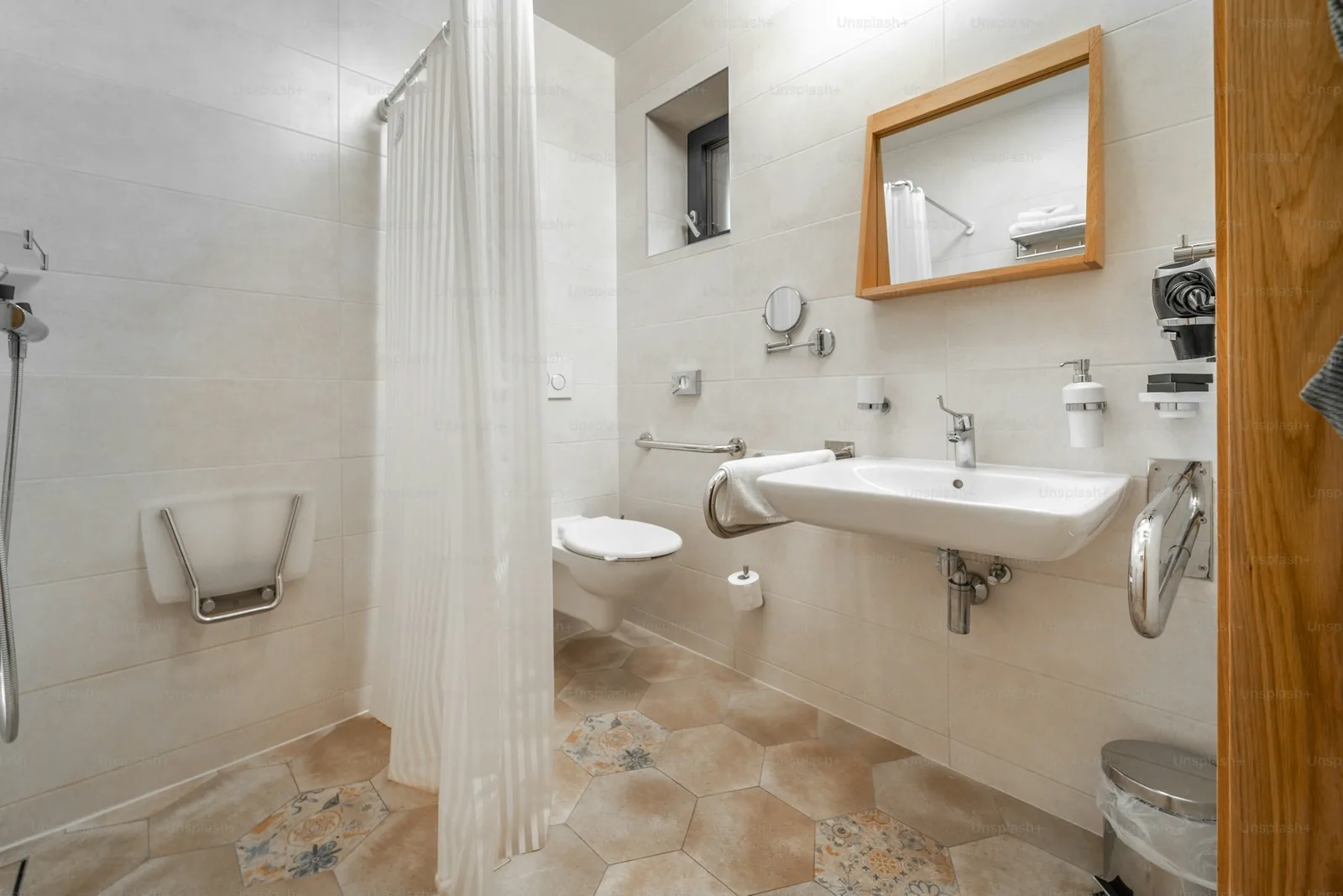
- Bathroom. Install grab bars by the toilet and in the shower, add a non-slip mat, consider a shower chair and handheld showerhead.
- Bedroom. Move the survivor's bed to the side of their stronger arm, add a bedside commode if needed, clear a wide walking path.
- Kitchen. Label cabinets with pictures or large print if aphasia is present, modify utensils for one-handed use, follow the SLP's dysphagia diet level.
- Living room. Remove cords and rugs from walking paths, lower seat heights to reduce transfer strain, add a sturdy chair with arms.
- Communication setup. Place a phone with large buttons in reach, post the BE FAST sign and the 911 plan visibly, set up a simple yes/no communication board if aphasia is severe.
Hemiparesis-side modifications make daily transitions safer. The affected side is harder to perceive and protect. Furniture spacing, transfer surfaces, and even the position of the television should account for the survivor's stronger and weaker sides. Many families find that a 24-hour walkthrough with the home care nurse highlights modifications the family did not anticipate.
Left-side neglect home modifications
Survivors with left-side neglect can walk into walls, miss food on the left half of their plate, or forget about a limb on the affected side. Mirror cues, plate rotation, and caregiver positioning on the neglected side help retrain awareness.
Dysphagia kitchen setup follows the speech-language pathologist's instructions exactly. AveeCare lets families and caregivers log meals, fluid intake, and dysphagia precautions in the patient profile, which keeps the swallow plan visible across shifts. For a broader fall-prevention walkthrough, see our Fall prevention in home care: a room-by-room guide.
What does the first 90 days of stroke recovery look like?
The first 90 days after a stroke is when most functional recovery happens, broken into an acute phase (days 0 to 30) of intensive rehabilitation and home setup, a subacute phase (days 30 to 90) of continued therapy and caregiver routine, and the beginning of the chronic phase where adaptive routines stabilize.
Acute (days 0 to 30)
- Home health visits weekly to daily
- Heavy ADL dependency typical
- Family + agency build the daily routine
- Highest fall and readmission risk window
Subacute (days 30 to 90)
- Therapy intensity tapers
- Functional gains plateau gradually
- Family transitions from acute crisis mode
- Insurance and waiver applications mature
Early chronic (90+ days)
- Adaptive routine becomes the new normal
- Long-term coverage source confirmed
- Caregiver schedule stabilizes
- Annual reassessment cycle begins
Days 0 to 30 is when families and agencies build the daily routine. AveeCare's documentation tools help families and caregivers track therapy progress alongside the home care team, including medication adherence, fall events, and ADL changes shift over shift. According to the National Institute of Neurological Disorders and Stroke, structured rehabilitation in the first weeks after a stroke produces the largest functional gains (NINDS, 2024).
Days 30 to 90 is when home care hours typically peak then begin to taper. Many families find that the survivor's needs hit maximum complexity around weeks 4 to 6 as the inpatient rehabilitation supports end and the survivor is doing more independent practice. The home care plan should be reviewed at day 30, day 60, and day 90 with the family, the home care nurse, and the survivor.
Stroke recurrence risk
About 1 in 4 strokes are recurrent strokes in survivors who have had a previous stroke, according to the American Heart Association 2024 statistical update. Blood pressure control, anticoagulation when indicated, and rapid response to BE FAST symptoms are the three biggest levers families and home care agencies have.
When should you call 911 versus the home care nurse?
Call 911 immediately for any sudden new neurological symptom, including face drooping, arm weakness, slurred speech, or trouble walking, because a second stroke can happen at any time, and call the home care nurse for non-urgent concerns like skin breakdown, medication questions, or worsening fatigue.
BE FAST stroke warning signs
Balance loss. Eyes (vision change). Face drooping. Arm weakness. Speech slurred. Time to call 911. Print this checklist and post it near the survivor's bed and in the kitchen. Every minute counts in stroke recurrence.
Call 911
- Any new BE FAST symptom
- Sudden severe headache
- Loss of consciousness
- Suspected choking with dysphagia
- New chest pain or shortness of breath
Call the home care nurse
- New skin breakdown or wound
- Medication question or refill issue
- Worsening fatigue without acute symptoms
- Equipment issue (shower chair, lift)
- Scheduling change or shift coverage
Frequently asked questions
Does Medicare cover 24/7 home care after a stroke?
No. Medicare does not cover 24/7 home care after a stroke for either medical or non-medical needs. Medicare Part A covers skilled home health care that is intermittent, meaning fewer than 8 hours per day and fewer than 28 hours per week in most cases, delivered by a Medicare-certified home health agency. The 24/7 personal care most families need after a moderate or severe stroke is generally paid for through Medicaid HCBS waivers, long-term care insurance, or private pay. Families often combine Medicare-covered skilled therapy visits with privately-paid home care aides to build a workable schedule.
How long does Medicare pay for home health care after a stroke?
Medicare pays for skilled home health care after a stroke in 60-day episodes, called certification periods, that can be renewed indefinitely as long as the patient continues to meet two criteria: the patient is homebound, and the patient needs skilled nursing or therapy on an intermittent basis. The episodes are not capped at a fixed total. Coverage ends when the patient no longer meets the homebound criteria or when skilled need is gone. According to Medicare.gov, the home health benefit has no out-of-pocket cost to the patient for covered services.
What is the difference between home care and home health care for a stroke survivor?
Home care is non-medical support delivered by a home care aide or personal care aide, covering bathing, dressing, meals, light housekeeping, supervision, and companionship, typically paid privately, through Medicaid HCBS waivers, or by long-term care insurance. Home health care is skilled medical care delivered by licensed nurses and therapists, covering wound care, medication administration, physical therapy, occupational therapy, and speech therapy, typically paid by Medicare or Medicaid following a qualifying event like a stroke. Most stroke survivors use both at different points during recovery.
How many hours of home care does a stroke survivor typically need?
Most stroke survivors need between 4 and 12 hours of home care per day in the first 90 days after discharge, with hours depending on the severity of the stroke, who the live-in support is, and the survivor's specific deficits. Severe strokes with left-side neglect, dense hemiplegia, or significant dysphagia often require 16 to 24 hour supervision in the first month, sometimes with overnight awake-aide coverage. Hours typically taper as functional recovery progresses and the home environment adapts. AveeCare publishes pricing transparently at $6 per active client per month for agency software, separate from the hourly caregiver rate the family pays.
What questions should a family ask a home care agency before signing up for stroke care?
Families should ask a home care agency at least 8 questions before signing up for stroke care: (1) Is your agency licensed in this state, (2) Do your caregivers have stroke-specific training, (3) How do you document the care plan and share it with the family, (4) What is your minimum and maximum shift length, (5) How do you screen and background-check caregivers, (6) What happens if a caregiver calls out, (7) Are you certified to bill Medicaid HCBS waivers in this state, and (8) What does your pricing look like in writing including any minimum hours or cancellation policies.
Can a stroke survivor be left alone at home?
Most stroke survivors should not be left alone at home in the first 30 days after discharge, especially if they have any combination of hemiparesis, aphasia, dysphagia, cognitive deficits, or new seizure risk. The American Stroke Association recommends a graduated supervision plan that starts with 24-hour presence in the first weeks and transitions to scheduled check-ins as the survivor demonstrates safe ability to manage medications, recognize warning signs, and call for help. The decision to leave a survivor alone for periods should be made with the discharge care team, the home care nurse, and the family together.
Sources
- CDC: Stroke Facts, Annual U.S. stroke incidence and recurrence, accessed May 19, 2026
- AHA/ASA: 2024 Heart Disease and Stroke Statistics Update, Prevalence and recurrence rates, accessed May 19, 2026
- AHA/ASA Guidelines for Adult Stroke Rehabilitation and Recovery, Caregiver and rehabilitation recommendations, accessed May 19, 2026
- MedlinePlus: Recovering after stroke, Federal health information, accessed May 19, 2026
- NINDS: Stroke information, Post-stroke rehabilitation reference, accessed May 19, 2026
- Medicare.gov: Home health services, Medicare home health benefit definition, accessed May 19, 2026
- Medicare.gov: Skilled nursing facility care, Medicare Part A SNF coverage rules, accessed May 19, 2026
- Medicaid.gov: Home and Community-Based Services, HCBS waiver overview, accessed May 19, 2026
- CMS Conditions of Participation for Home Health Agencies (42 CFR Part 484), Federal regulatory baseline, accessed May 19, 2026
- PMC: The Principles of Home Care for Patients with Stroke (2024), Peer-reviewed home care protocol, accessed May 19, 2026
- CDC STEADI fall prevention initiative, Federal fall-prevention framework, accessed May 19, 2026
- ASHA: Aphasia clinical portal, Caregiver communication guidance, accessed May 19, 2026
- American Stroke Association: Stroke symptoms, BE FAST campaign, accessed May 19, 2026
About the author
Cal Nesvig is a founding partner at AveeCare, a home care software company that works with agencies across all 50 states. Cal writes about the operational realities of post stroke and post hospital discharge home care: how families and agencies actually coordinate care, what payers really cover, and what software can and cannot do to help. Clinical content on this page is summarized from published government and professional sources cited above and should not substitute for guidance from your physician and home care team.
Building a stroke recovery care plan?
AveeCare gives agencies, families, and caregivers a shared view of the care plan, medication routine, and ADL progress, with transparent pricing and a free self-serve demo.
Try the AveeCare self-serve demo