How to Start a Home Care Agency in Utah
Your complete 2026 guide to launching a home care business in the Beehive State, from navigating Utah's personal services exemption and DHHS home health licensing to tapping into one of America's fastest-growing states with a uniquely family-centered culture.
Published April 4, 2026 · 28 min read
TLDR — Utah at a Glance
No — personal services unregulated at the state level.
DHHS Bureau of Health Facility Licensing, Certification, and Resident Assessment
$25,000 – $65,000 (non-medical)
$80,000 – $200,000+ (home health)
4 – 8 weeks (non-medical) | 3 – 8 months (home health)
No non-medical license | 4.55% flat tax | No franchise tax | Fast-growing population
1Utah Market Overview
The youngest state, but a rapidly growing home care market
Utah is one of the fastest-growing states in the nation and presents a unique opportunity for starting a home care agency in 2026. With a population of approximately 3.4 million people and the youngest median age in the United States, Utah's demographics are distinct from most other states. However, the aging population is growing rapidly, large multi-generational families create strong demand for in-home care, and the state's deeply rooted family-first culture means Utahns overwhelmingly prefer keeping loved ones at home rather than placing them in institutional care settings.
Utah's home care demand is shaped by its unique demographics and culture. The state has the largest average household size in the country, reflecting the influence of the LDS (Latter-day Saint, or Mormon) community, which emphasizes family caregiving and self-reliance. While the median age is young, Utah's 65-and-older population has been growing faster than the national average as the state's overall population booms. The Silicon Slopes tech corridor has attracted a tech-savvy population that expects modern, technology-driven care solutions. Utah's strong outdoor recreation economy also creates demand for active aging services that help seniors maintain independence and mobility. For a national overview of the startup process with interactive tools, see our complete guide to starting a home care agency and our state-by-state licensing requirements.
Regional Market Breakdown
Salt Lake City Metro
The largest metro area in Utah with approximately 1.2 million people in the greater Salt Lake area. This is the most competitive home care market in the state, with the highest concentration of agencies, hospitals, and referral sources. Strong private pay market in affluent East Bench and South Jordan communities. The University of Utah Health and Intermountain Health are major referral partners.
Provo-Orem (Utah County)
Utah County is one of the fastest-growing counties in the nation and home to BYU and Silicon Slopes tech companies. Very family-oriented with the highest concentration of LDS families. Strong demand for family-centered care that respects cultural and religious values. Younger demographic but growing senior population as the area matures.
Ogden-Clearfield (Weber/Davis Counties)
Northern Wasatch Front area with Hill Air Force Base (Hill AFB) creating significant military demand. Davis County is a fast-growing suburban community with young families and aging parents. Ogden offers a more affordable market with growing senior population and less agency competition than Salt Lake City.
St. George (Washington County)
Utah's premier retirement destination in the southwest corner of the state. Warm climate, outdoor recreation, and lower cost of living attract retirees from across the Intermountain West. Rapidly growing senior population with strong private pay potential. Lower competition than the Wasatch Front. Dixie Regional Medical Center is a key referral source.
Why Start a Home Care Agency in Utah
2Home Care vs. Home Health in Utah
Utah has a unique split: no license for non-medical, DHHS license for skilled
Utah's key distinction: Unlike most states, Utah does not require a separate state license for non-medical personal care agencies. Personal services such as companion care, homemaking, and personal assistance are unregulated at the state level. This significantly lowers the barrier to entry for non-medical home care businesses. However, if you want to provide skilled nursing, therapy, or other medical services, you must obtain a Home Health Agency license from the Utah Department of Health and Human Services (DHHS).
Non-Medical Personal Care
- Personal care (bathing, dressing, grooming)
- Companion care and socialization
- Meal preparation and light housekeeping
- Medication reminders (not administration)
- Transportation and errands
- Respite care for family caregivers
No state license required
Fastest path to market. Business registration only.
Licensed Home Health Agency
- Skilled nursing care
- Physical, occupational, and speech therapy
- Wound care and injections
- Medical social services
- Home health aide services
- Medication administration
DHHS Home Health Agency license required
Must also obtain Medicare certification to bill Medicare.
Utah Home Care License Comparison
| Type | Services | State License | Medicare |
|---|---|---|---|
| Non-Medical Personal Care | Companion, homemaker, personal care | Not required | No |
| Home Health Agency | Skilled nursing, therapy, aide services | DHHS license required | With CMS certification |
3Business Formation in Utah
Register your home care business — 4.55% flat tax, no franchise tax
Utah tax advantages: Utah has a flat 4.55% income tax rate on all taxable income, making tax planning straightforward. Utah has no franchise tax, unlike states such as Texas and California that impose additional business taxes. The flat tax applies equally to personal income and pass-through business income from LLCs and S-corporations, keeping your ongoing tax obligations simple and predictable.
Choose Your Business Structure
Most Utah home care agencies register as an LLC (Limited Liability Company) for liability protection and tax flexibility. A Utah LLC costs $54 to file online, one of the most affordable LLC filing fees in the nation. Utah requires an annual renewal of $18, keeping ongoing costs minimal.
Register with Utah Division of Corporations
File your Certificate of Organization (LLC) with the Utah Division of Corporations and Commercial Code at corporations.utah.gov. Online filing is fast and affordable. Utah also offers same-day processing for an additional fee.
Utah Division of CorporationsObtain Your EIN
Apply for a free Employer Identification Number (EIN) from the IRS at irs.gov. You need this for bank accounts, payroll, tax filings, and hiring employees. It takes minutes to obtain online.
Register with Utah State Tax Commission
Register for Utah state income tax withholding (4.55% flat rate) and sales tax (if applicable) with the Utah State Tax Commission. Utah requires employers to withhold state income tax from employee wages. You can register online through the Utah Taxpayer Access Point (TAP).
Utah State Tax CommissionRegister as an Employer with DWS
Register with the Utah Department of Workforce Services (DWS) for unemployment insurance within 20 days of your first employee's start date. DWS handles UI tax collection and workforce programs in Utah.
Utah Department of Workforce ServicesCity and County Business Licenses
Most Utah cities and counties require a local business license. Salt Lake City, Provo, Ogden, St. George, and other municipalities have their own licensing requirements. Contact your local city hall for specifics. Fees are typically modest ($50 to $200).
Open a Business Bank Account
Open a dedicated business checking account to separate personal and business finances. You will need your EIN, Certificate of Organization, and operating agreement. Utah has many local banks, credit unions, and national banks available for small businesses.
4Licensing Requirements in Utah
No license for non-medical; DHHS license for skilled home health
Non-Medical Personal Care: No State License Required
Utah is one of the states that does not require a separate state license for non-medical personal care agencies. If your agency provides only companion care, homemaker services, personal care assistance, meal preparation, transportation, and similar non-medical services, you do not need to apply for a state license through the Utah DHHS. You only need your general business registration with the Utah Division of Corporations and applicable local business licenses.
- Register your business with Utah Division of Corporations
- Obtain local city/county business license
- Conduct BCI background checks on all caregivers (best practice)
- Obtain required insurance coverage (general liability, workers' comp)
- Develop service agreements and care plan templates
Important: While no state license is required for non-medical care, you should still conduct thorough background checks, maintain proper insurance, and follow industry best practices. If you plan to accept Medicaid clients, additional enrollment and compliance requirements apply through the Division of Medicaid and Health Financing (DMHF).
DHHS Home Health Agency License (Skilled Services)
If you plan to provide skilled nursing, therapy, or other medical services, you must obtain a Home Health Agency license from the Utah Department of Health and Human Services (DHHS), specifically through the Bureau of Health Facility Licensing, Certification, and Resident Assessment. The licensing process includes:
- Submit Home Health Agency license application to DHHS
- Designate a qualified clinical director (typically RN)
- Establish a supervising physician relationship
- Develop comprehensive clinical policies and quality assurance programs
- Pass DHHS on-site survey and inspection
- If Medicare: apply for CMS certification through DHHS as the state survey agency
Background Checks (Utah BCI)
The Utah Bureau of Criminal Identification (BCI) conducts fingerprint-based criminal background checks. While not universally mandated by state law for non-medical personal care agencies, background checks are strongly recommended as an industry best practice, required by most insurance carriers, and mandatory if you accept Medicaid clients or operate a licensed home health agency. BCI checks screen state criminal history, and you can also request FBI national background checks through BCI.
Utah BCI Background Check
Fingerprint-based criminal history check through the Utah Bureau of Criminal Identification. Results typically return within 1 to 2 weeks. Available for both name-based and fingerprint-based searches.
Utah BCIBest Practice Screening
Even though state law may not require background checks for all non-medical caregivers, conducting BCI checks on every employee is an industry best practice. Most clients and their families expect it, insurance carriers often require it, and it protects your agency from liability. Consider adding OIG exclusion list checks and sex offender registry screening.
Medicare Certification
To bill Medicare, you must first obtain the DHHS Home Health Agency license, then apply for CMS Medicare certification. DHHS serves as the state survey agency for CMS in Utah. You must meet all CMS Conditions of Participation and pass a federal survey conducted through DHHS. Utah's growing senior population makes Medicare certification increasingly valuable, particularly in the Salt Lake City metro and St. George areas where Medicare enrollment is concentrated.
5Insurance Requirements
Workers' comp is REQUIRED in Utah for all employers with 1+ employees
General Liability
$1,800 - $4,500/yrCovers bodily injury and property damage claims. Recommended minimum: $1M per occurrence / $2M aggregate. Utah premiums are generally moderate, slightly below the national average.
Professional Liability (E&O)
$1,200 - $3,500/yrCovers errors, omissions, and negligence claims related to care services. Essential for any home care business, and strongly recommended even for non-medical agencies that do not require a state license.
Workers' Compensation
$2,500 - $7,000/yrREQUIRED in Utah for all employers with one or more employees. Enforced by the Utah Labor Commission. You must obtain coverage before your first employee begins work. No opt-out option exists in Utah unlike Texas.
Surety / Fidelity Bond
$250 - $1,200/yrRecommended for client trust and protection against employee theft. Not legally required for non-medical agencies but builds credibility with referral sources, clients, and families.
Utah Workers' Compensation Details
Utah law requires all employers with one or more employees to carry workers' compensation insurance. The Utah Labor Commission enforces this requirement. Unlike Texas, there is no opt-out or non-subscriber option in Utah.
Coverage Options
- Purchase from a private insurance carrier
- Workers Compensation Fund of Utah (WCF)
- Self-insurance (requires Labor Commission approval)
Penalties for Non-Compliance
- Stop-work orders from the Utah Labor Commission
- Fines and penalties for operating without coverage
- Personal liability for workplace injuries
6Staffing and Hiring in Utah
Navigate Utah's tight labor market and family-centered culture
Recruiting and retaining caregivers in Utah requires understanding the state's unique labor dynamics. The federal minimum wage of $7.25/hour technically applies in Utah (the state follows the federal rate), but the competitive market rate for home care aides ranges from $13 to $18 per hour depending on the metro area and experience level. Utah's consistently low unemployment rate makes recruitment more competitive, particularly along the Wasatch Front (Salt Lake City, Provo, Ogden) where the tech sector competes heavily for workers. The large LDS community creates a workforce that values service, reliability, and family, which can be advantageous for home care recruitment.
Background Checks
While Utah does not mandate background checks for all non-medical caregivers at the state level, the Utah Bureau of Criminal Identification (BCI) provides fingerprint-based criminal background checks that are an essential best practice. BCI checks are required for licensed home health agency staff and Medicaid provider employees. Most insurance carriers and clients expect background checks regardless of legal requirements.
Training Requirements
For home health aides working under a licensed Home Health Agency, federal requirements mandate 75 hours of training including 16 hours of supervised clinical practice. For non-medical personal care aides, Utah has no state-mandated training hours, but thorough initial training covering ADLs, safety protocols, infection control, emergency procedures, and client communication is an industry best practice.
Where to Find Caregivers in Utah
University of Utah, BYU, Weber State, community colleges
Employment boards, Relief Society connections, service-minded members
Industry networking, job boards, educational events
Wages and Labor Laws in Utah
Utah follows the federal minimum wage of $7.25/hour, but the competitive market rate for home care aides is $13 to $18 per hour depending on metro area and experience. Salt Lake City and Provo-Orem rates tend toward the higher end due to Silicon Slopes tech sector competition, while rural areas and St. George may be lower.
Utah labor law notes: Utah follows federal FLSA overtime rules (overtime after 40 hours per week at 1.5x rate). There is no daily overtime requirement. Utah is an at-will employment state. The state income tax withholding rate is a flat 4.55%, making payroll straightforward. Utah has no state-mandated paid sick leave, but some employers offer it voluntarily to remain competitive in the tight labor market.
7Utah Medicaid and Medicare
DMHF Medicaid, Sandata EVV, and Medicare in the Beehive State
Utah Medicaid (DMHF)
Utah Medicaid is administered by the Division of Medicaid and Health Financing (DMHF) under the Department of Health and Human Services. Utah expanded Medicaid in 2020 under Proposition 3, broadening eligibility to adults earning up to 138% of the federal poverty level. To serve Medicaid clients as a home care provider in Utah, you must enroll as a Medicaid provider through DMHF. Utah uses managed care organizations (MCOs) to deliver Medicaid benefits, and contracting with MCOs in your service area is essential for accessing Medicaid clients.
Utah Medicaid (medicaid.utah.gov)Sandata EVV — Electronic Visit Verification
Utah uses Sandata as its EVV (Electronic Visit Verification) system for Medicaid-funded personal care and home health services, as required by the 21st Century Cures Act. Providers delivering Medicaid-funded services must comply with EVV requirements through Sandata. EVV captures the type of service, individual receiving the service, individual providing the service, date, time, and location of each visit.
HCBS Waivers in Utah
- Aging Waiver (personal care for elderly)
- New Choices Waiver (transition from institutional care)
- Community Supports Waiver (physical disabilities)
- Acquired Brain Injury Waiver
Medicare in Utah
Utah's growing senior population means increasing Medicare enrollment. To bill Medicare, your agency must hold a DHHS Home Health Agency license and obtain CMS certification. DHHS serves as the state survey agency for CMS. The Salt Lake City metro and St. George areas have the highest concentration of Medicare beneficiaries in the state.
8Startup Cost Estimator
Utah-specific startup cost breakdown (no non-medical license fee, moderate COL)
Utah cost advantage: Non-medical home care agencies in Utah benefit from no state licensing fee, keeping startup costs well below states that require licensing. Utah's cost of living index of approximately 95.4 is below the national average, though Salt Lake City and Provo-Orem costs have been rising with the tech boom. St. George and rural Utah remain more affordable markets for startups.
Business Formation
$1,076 – $3,576Filing with Utah Division of Corporations
If using a trade name different from LLC name
Attorney review, CPA setup, operating agreement
Licensing
$50 – $23,300$0 for non-medical (no license needed); fee for home health license
Per person fingerprint-based background check via Utah BCI
Survey prep, consulting if seeking Medicare certification
Insurance (Annual)
$5,750 – $16,200$1M per occurrence / $2M aggregate
Errors and omissions coverage
Required in Utah for all employers with 1+ employees
Recommended for client trust and protection
Office & Equipment
$4,000 – $12,700Salt Lake City metro costs rising; rural Utah more affordable
Laptops, smartphones, scheduling software
Desk, chairs, printer, supplies
Marketing & Initial Growth
$2,900 – $10,600Professional site with local SEO for Utah markets
Google Ads, social media, community outreach
Brochures, flyers, presentation materials
Working Capital (3-6 Months)
$10,500 – $30,000Caregiver wages ($13-$18/hr market rate), payroll taxes
Rent, utilities, software, fuel, ongoing costs
Estimated Total Startup Cost (All Categories)
$24,276 – $96,376
Costs are estimates based on typical Utah home care agency startups and vary by region. Salt Lake City and Provo-Orem are at the higher end; St. George and rural Utah are more affordable. Non-medical agencies save significantly on licensing fees since no state license is required.
9Compliance Checklist
Track your progress across all Utah requirements
Business Formation
0/7Licensing
0/6Insurance
0/4Staffing
0/5Medicaid & Medicare
0/3Operations
0/5Marketing
0/510Building Your Referral Network
Key referral sources in Utah for your home care agency
Utah's healthcare landscape is dominated by two major health systems and a strong network of faith-based community connections. Building relationships across these networks is essential for growing your client base in the Beehive State. The Division of Aging and Adult Services (DAAS) and local Area Agencies on Aging (AAAs) are particularly important referral partners.
Intermountain Health
Utah's largest healthcare system with hospitals and clinics across the Wasatch Front and beyond. Intermountain Medical Center, Primary Children's Hospital, LDS Hospital, and dozens of clinics provide extensive discharge planning and care coordination. Connect with their case managers and social workers for referrals of patients transitioning to home care.
University of Utah Health
The state's flagship academic medical center and the only Level 1 trauma center in the Intermountain West. University Hospital, Huntsman Cancer Institute, and the Moran Eye Center generate significant home care referrals. Their social work and care coordination departments are key contacts for post-acute care transitions.
DAAS & Area Agencies on Aging
The Division of Aging and Adult Services (DAAS) under DHHS coordinates aging services statewide. Utah's 12 Area Agencies on Aging serve as local hubs connecting seniors with home care resources. DAAS manages the Aging Waiver, caregiver support programs, and elder care referrals. Building relationships with AAAs is essential for Medicaid and waiver-funded referrals.
DAAS (daas.utah.gov)Utah Association for Home Care
The leading industry trade association for home care in Utah. Membership provides networking, advocacy, education, regulatory updates, and referral opportunities throughout the state. Their events and conferences are prime networking opportunities to build connections with other providers, health systems, and referral sources.
MountainStar Healthcare
A significant hospital system in Utah operating multiple facilities including St. Mark's Hospital in Salt Lake City, Timpanogos Regional Hospital in Orem, and Ogden Regional Medical Center. Their discharge planning departments are valuable referral sources, particularly in Utah County and Weber County.
LDS (Mormon) Church Networks
The LDS Church's ward and stake structure creates uniquely organized community networks. Bishops, Relief Society presidents, and ward welfare specialists regularly identify members who need home care services. Building respectful, appropriate relationships with these leaders opens access to a large segment of Utah's population that values trusted, community-vetted care providers.
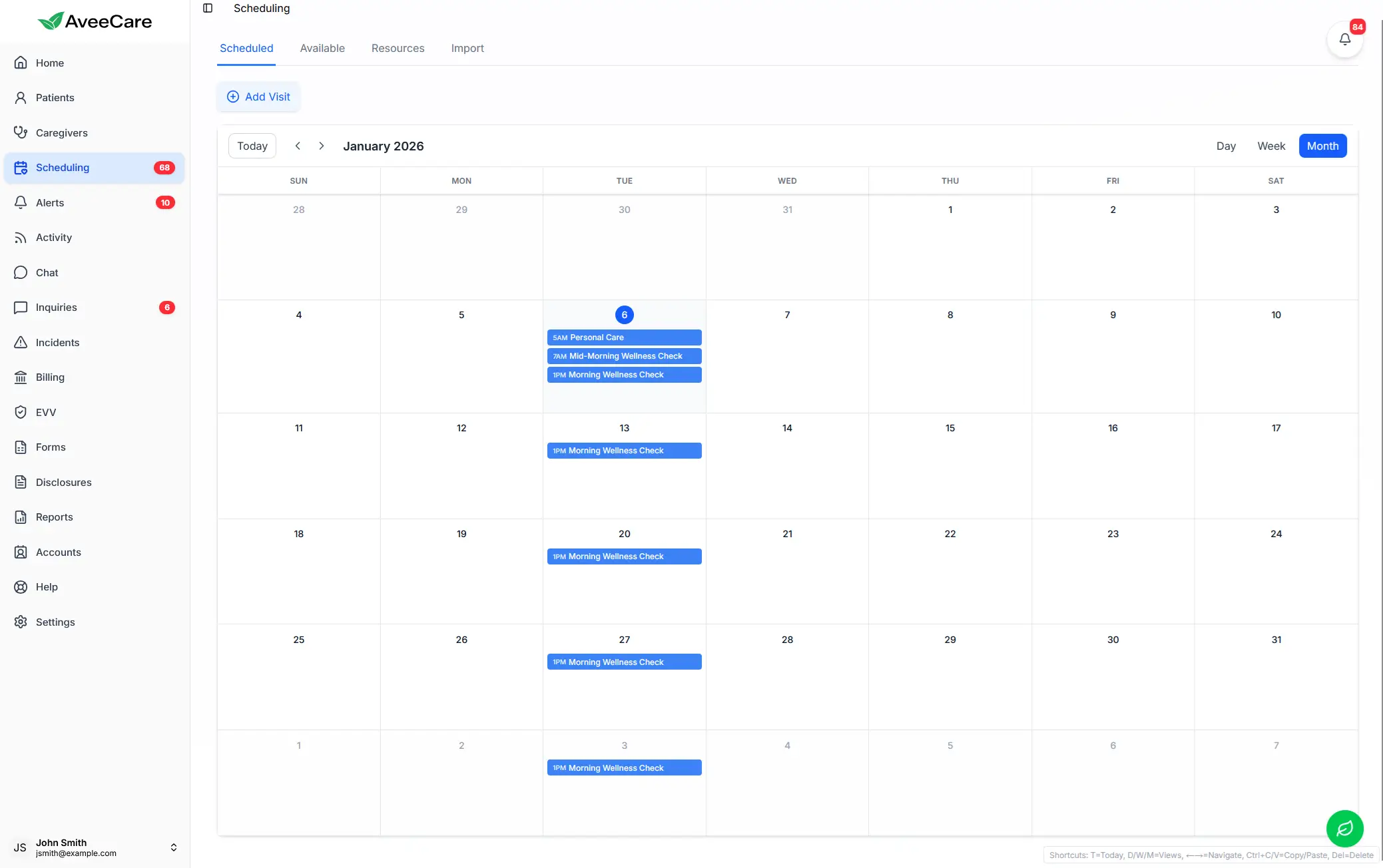
Manage scheduling across Utah's Wasatch Front, St. George, and rural service areas
Differentiation tip: In Utah's market, agencies that understand and respect the LDS family caregiving culture, offer technology-driven scheduling and communication (appealing to Silicon Slopes families), position around active aging and outdoor lifestyle support, and build strong DAAS and AAA relationships will stand out from competitors.
11Marketing & Client Acquisition
How to advertise your home care business and attract clients across the Beehive State
Marketing a home care agency in Utah requires understanding the state's unique cultural landscape, particularly the influence of the LDS (Latter-day Saint) community, the tech-savvy Silicon Slopes population, the growing retiree community in St. George, and the military presence around Hill AFB. Utah's family-first culture means word-of-mouth and community trust are even more powerful here than in most states. Your marketing strategy must balance digital sophistication with grassroots community engagement.
Regional Marketing Strategies
Salt Lake City Metro
The most competitive market in Utah with the highest concentration of agencies. Focus on digital marketing, Google Ads targeting "home care Salt Lake City," and partnerships with Intermountain Health and University of Utah Health discharge planners. Salt Lake City is more diverse than the rest of Utah, so multicultural marketing can differentiate your agency. Target affluent East Bench, Cottonwood Heights, and Draper communities for private pay clients.
Provo-Orem (Utah County)
The most family-oriented market in the state with the highest concentration of LDS families. Marketing here must be family-centered and values-aligned. Partner with BYU nursing programs for staffing. Emphasize supporting family caregivers and keeping parents/grandparents at home. Ward and stake bulletin boards, Relief Society connections, and community events are powerful marketing channels. Silicon Slopes tech families expect modern digital scheduling and communication.
Ogden-Clearfield (Weber/Davis)
Hill Air Force Base creates a significant military market. Market to military families, veterans, and TRICARE beneficiaries. Partner with the VA Salt Lake City Health Care System and local veterans organizations. Davis County suburbs (Layton, Kaysville, Bountiful) offer growing private pay markets. Lower competition than Salt Lake City makes this an attractive entry market for new agencies.
St. George (Washington County)
Utah's premier retirement destination with a rapidly growing senior population. Retirees from California, Nevada, and other states are drawn by the warm climate, outdoor recreation, and lower cost of living. Market to active seniors interested in maintaining independence. Position around outdoor activity support, fall prevention, and post-surgery recovery. Partner with Dixie Regional Medical Center for discharge referrals. Lower competition and high private pay potential.
LDS Community & Faith-Based Marketing
The LDS (Latter-day Saint) community represents a significant portion of Utah's population and has a deeply organized ward and stake structure that creates unique marketing and referral opportunities. Understanding and respectfully engaging with this community is essential for success in Utah.
Ward & Stake Networks
LDS wards (local congregations) and stakes (groups of wards) have structured welfare and care systems. Bishops oversee temporal welfare of members. Relief Society presidents coordinate compassionate service. Building relationships with these leaders allows you to become a trusted resource when professional care is needed beyond what volunteer service can provide.
Family Caregiving Culture
LDS culture strongly emphasizes family self-reliance and caregiving. Many families delay professional care, trying to manage caregiving themselves until burnout occurs. Position your marketing around supporting family caregivers, providing respite care, and supplementing (not replacing) family involvement in eldercare.
Service & Volunteerism Values
The LDS emphasis on service creates a workforce that values caregiving as meaningful work, not just a job. Recruit through LDS employment resources, returned missionary networks, and BYU/BYU-Idaho career services. Caregivers with a service orientation tend to provide higher-quality care and stay longer.
Multi-Generational Families
Utah has the largest average household size in the nation. Many LDS families have aging parents living with or near adult children. This creates demand for part-time, flexible home care that fits around family schedules. Offer customizable service packages that work alongside family caregiving efforts.
Digital Marketing Strategies
Google Business Profile
Optimize your Google Business Profile for every city you serve along the Wasatch Front. Utah families research care options online before reaching out. Respond to every review within 24 hours. In the tight Utah market, a 4.7+ star rating is essential for credibility.
Google Ads
Run targeted Google Ads for "home care Salt Lake City," "home care Provo," "home care St. George," and similar local keywords. Utah CPCs are moderate ($10-20) compared to coastal markets. Target keywords related to specific needs like "respite care Utah" and "senior care near me."
SEO & Content Marketing
Build city-specific landing pages for Salt Lake City, Provo, Ogden, St. George, and surrounding communities. Create content about Utah-specific topics like supporting family caregivers, active aging in Utah's outdoor lifestyle, winter safety for seniors, and navigating Utah Medicaid waivers.
Social Media
Utah has exceptionally high social media usage, particularly Facebook and Instagram. Target adult children (ages 35-55) making care decisions for aging parents. Utah's tech-savvy population responds well to professional, modern social media presence. Share caregiver stories, tips for family caregivers, and community involvement.
Military & Veteran Marketing
Utah has a notable military presence that creates TRICARE referral and veteran care opportunities. Marketing to military families and veterans opens additional revenue streams and referral networks.
Hill Air Force Base (Hill AFB)
Clearfield/Layton area
One of the largest Air Force installations in the western US. Large population of military families and retiring veterans in the Davis/Weber County area. Partner with the base family support services and local VA clinic for referrals.
Dugway Proving Ground & Camp Williams
Tooele County / Draper area
Smaller installations that create pockets of military demand in the western Salt Lake area. Partner with local veterans organizations (VFW, American Legion), the VA Salt Lake City Health Care System, and Tooele County veteran services for referrals.
Community Outreach & Active Aging Marketing
Utah Association for Home Care Membership
Join the Utah Association for Home Care for networking, advocacy, education, and industry connections. Membership provides access to regulatory updates, training opportunities, and referral relationships across the state.
DAAS & AAA Partnerships
Build relationships with the Division of Aging and Adult Services (DAAS) and local Area Agencies on Aging. These agencies manage the Aging Waiver, coordinate aging services, and provide information and referral to families seeking home care. Being a known, trusted provider in the AAA network drives consistent referrals.
Active Aging & Outdoor Lifestyle
Utah's outdoor recreation economy is a major draw for active retirees. Position your agency around helping seniors maintain their active Utah lifestyle. Market services like post-ski injury recovery, hiking season fall prevention, and maintaining independence to continue enjoying Utah's national parks, trails, and outdoor activities.
Physician Office & Hospital Referrals
Build referral relationships with geriatricians, family medicine physicians, and orthopedic surgeons. Leave brochures and referral pads at physician offices in your service area. Connect with discharge planners at Intermountain Health hospitals, University of Utah Health facilities, and MountainStar Healthcare locations.
Online Reputation Management
Utah's tech-savvy population, particularly in the Silicon Slopes corridor, researches providers thoroughly online before making care decisions. Your online reputation directly impacts client acquisition in this digitally sophisticated market.
Google Reviews
Aim for 30+ reviews with a 4.7+ rating. Respond to every review within 24 hours. Ask satisfied families for reviews. Word-of-mouth extends to online reviews in Utah's close-knit communities.
Caring.com & A Place for Mom
Maintain premium profiles on care directory platforms. These drive significant traffic from Utah families researching home care options. Include photos and detailed service descriptions.
Better Business Bureau (BBB)
BBB accreditation carries significant weight in Utah. The LDS community particularly values trust indicators and business integrity. Maintain an A+ rating and resolve any complaints promptly.
Marketing Channel Comparison
| Channel | Cost | Time to Results | Best For |
|---|---|---|---|
| Google Ads | $$ | Immediate | Fast leads in SLC, Provo, Ogden, St. George |
| SEO / Local Website | $-$$ | 4-8 months | Long-term organic visibility across Utah |
| LDS Ward/Stake Outreach | Free-$ | 1-3 months | Trust-based referrals from community leaders |
| Utah Assoc. for Home Care | $$ | 1-3 months | Industry connections & credibility |
| Hospital/Physician Referrals | Free | 2-4 months | High-intent medical referrals |
| DAAS & AAA Referrals | Free | 1-2 months | Medicaid & waiver program clients |
| Social Media (FB/IG) | $-$$ | 2-4 months | Reaching adult children making care decisions |
Utah Advertising Considerations
Ensure all marketing materials accurately represent your services. If you are a non-medical personal care agency without a DHHS Home Health license, do not advertise skilled nursing or therapy services. All marketing should be truthful and not misleading about your qualifications, staffing, or service capabilities. Utah's close-knit communities mean that reputation spreads quickly -- both positive and negative.
Utah marketing tip: Word-of-mouth is exceptionally powerful in Utah due to the tight-knit LDS community structure. One positive experience shared at a ward function can generate multiple referrals. Invest in exceptional service quality from day one, because your reputation will spread through community networks faster than in most states. Combine this grassroots trust-building with modern digital marketing to appeal to the tech-savvy Silicon Slopes demographic.
12Frequently Asked Questions
Common questions about starting a home care agency in Utah
No. Utah does not require a separate state license for non-medical personal care, companion care, or homemaker agencies. Personal services are unregulated at the state level in Utah. However, if you plan to provide skilled services such as nursing or therapy, you must obtain a Home Health Agency license from the Utah Department of Health and Human Services (DHHS), Bureau of Health Facility Licensing, Certification, and Resident Assessment. All agencies still need a general business registration with the Utah Division of Corporations.
Starting a non-medical home care agency in Utah typically costs between $25,000 and $65,000, which is below the national average due to the lack of a state licensing fee for non-medical agencies and moderate cost of living. This covers business formation with the Utah Division of Corporations, insurance, marketing, office setup, and 3 to 6 months of working capital. A licensed home health agency with skilled nursing services costs $80,000 to $200,000 or more due to DHHS licensing and potential Medicare certification requirements.
Yes. Utah requires workers' compensation insurance for all employers with one or more employees, with very few exceptions. This is enforced by the Utah Labor Commission. You must obtain coverage before your first employee begins work. Typical annual costs for a small home care agency range from $2,500 to $7,000 depending on payroll size and claims history.
Utah uses Sandata as its Electronic Visit Verification (EVV) system for Medicaid-funded personal care and home health services, as required by the 21st Century Cures Act. Providers delivering Medicaid-funded services must comply with EVV requirements through Sandata. Utah Medicaid is administered by the Division of Medicaid and Health Financing (DMHF) under the Department of Health and Human Services.
Utah has a flat income tax rate of 4.55% on all taxable income. This applies to both personal income and pass-through business income from LLCs and S-corporations. Utah has no franchise tax, which simplifies ongoing business tax obligations compared to states like Texas or California that impose additional business taxes beyond income tax.
A non-medical home care agency in Utah can typically become operational within 4 to 8 weeks since no state license is required for personal care services. This covers business registration with the Utah Division of Corporations, obtaining insurance, setting up payroll, and recruiting caregivers. A licensed home health agency providing skilled services takes 3 to 8 months or longer due to the DHHS Home Health Agency licensing process, on-site survey, and potential Medicare certification timeline.
13Sources and Resources
Official Utah state agency links and resources
Ready to manage your Utah home care agency?
You do not need software on day one. But when you are ready, AveeCare starts at $6/client/month with no contracts, no mandatory demos, and a free trial. Scheduling, care plans, billing, caregiver management, real-time tracking, and alerts in one platform built for simplicity -- perfectly suited for managing care across Utah's Wasatch Front, St. George, and beyond.
Disclaimer
This guide is for informational purposes only and does not constitute legal, financial, or professional advice. While we strive to keep this information accurate and up to date, Utah laws, regulations, fees, and requirements may change. Always verify current requirements directly with the relevant Utah state agencies before making business decisions. Consult with a qualified attorney and accountant in Utah before starting your home care business. AveeCare is not affiliated with the Utah Department of Health and Human Services, the Utah Division of Corporations, the Utah Bureau of Criminal Identification, or any Utah state agency. Published April 4, 2026.