How to Start a Home Care Agency in Minnesota
Your complete 2026 guide to launching a home care business in Minnesota, covering MDH licensing, DHS background studies, business formation, staffing, and your first clients.
Published April 4, 2026 · 28 min read
TLDR — Minnesota at a Glance
Yes for ALL home care agencies. Basic (non-medical) or Comprehensive (skilled nursing).
Minnesota Department of Health (MDH)
DHS Net Study required for all home care workers
$40,000 – $80,000 (Basic)
$120,000 – $280,000+ (Comprehensive)
2 – 4 months (Basic) | 3 – 6+ months (Comprehensive)
1Minnesota Market Overview
Understanding the opportunity for home care agencies in the North Star State
Minnesota has a population of approximately 5.7 million people, with about 17% of residents aged 65 or older and that share growing steadily as the Baby Boomer generation ages. The state offers a robust market for starting a home care agency in Minnesota, driven by a strong preference for aging in place and one of the highest life expectancy rates in the nation. A Minnesota home care license is required for all agencies, which creates a professional market with defined quality standards.
The Twin Cities metropolitan area (Minneapolis and St. Paul) is home to over 3.7 million people and represents the largest home care market in the state. Beyond the metro, Rochester is home to the world-renowned Mayo Clinic, creating a unique healthcare ecosystem and referral opportunities for home care agencies. Duluth, St. Cloud, and growing suburban communities like Woodbury, Maple Grove, and Eden Prairie also present strong demand. For a national overview of the startup process, see our complete guide to starting a home care agency and our state-by-state licensing requirements.
Minnesota is home to one of the most culturally diverse populations in the Upper Midwest. The Twin Cities have large Somali, Hmong, and Karen (Burmese) immigrant communities, many of whom are aging and need culturally competent home care services in their own languages. Agencies that can provide multilingual caregivers and culturally sensitive care have a significant competitive advantage in the Minnesota home care market.
A key distinction of the Minnesota home care market is that the state requires licensure through MDH for all home care agencies, including non-medical personal care providers. This creates a higher barrier to entry compared to states that do not license non-medical agencies, but it also means the market is more regulated and professional, which builds trust with clients and referral partners.
2Basic vs. Comprehensive MDH License
Minnesota's unique two-tier licensing structure determines your service scope
Minnesota is different from most states. Unlike states that only license medical home health agencies, Minnesota requires all home care providers to hold an MDH license. You must choose between a Basic Home Care License (non-medical personal care) or a Comprehensive Home Care License (skilled nursing and therapy). Both require DHS Net Study background checks for all staff.
Basic Home Care License
- Personal care assistance (bathing, dressing, grooming)
- Companion care and socialization
- Homemaker services (meal prep, light housekeeping)
- Medication reminders (not administration)
- Transportation and errands
- Respite care for family caregivers
MDH Basic license required
Lower barrier. Best for most new non-medical agencies.
Comprehensive Home Care License
- All Basic license services
- Skilled nursing care
- Physical, occupational, and speech therapy
- Wound care and injections
- Medication administration
- Medical social services
MDH Comprehensive license required
RN clinical supervisor required. Enables Medicare billing.
3Business Formation in Minnesota
Register your home care business with the state of Minnesota
Choose Your Business Structure
Most Minnesota home care agencies register as an LLC for liability protection and tax flexibility. Minnesota LLC filing costs approximately $155 online. Consult a Minnesota attorney to determine the best structure for your situation.
Register with the Secretary of State
File your formation documents with the Minnesota Secretary of State. You can file online at sos.state.mn.us. Minnesota also requires annual renewals.
MN Secretary of StateObtain Your EIN
Apply for a free Employer Identification Number (EIN) from the IRS at irs.gov. You need this for bank accounts, payroll, and tax filings. It takes minutes to obtain online.
Register with MN Department of Revenue
Register for Minnesota state taxes including income tax withholding, sales tax (if applicable), and unemployment insurance tax. Minnesota has progressive income tax rates from 5.35% to 9.85%, among the highest in the nation.
MN Department of RevenueGet Local Business Permits
Contact your city and county for local business permits and zoning requirements. Minneapolis, St. Paul, Rochester, Duluth, and other cities have their own permitting processes. Fees vary by municipality.
Open a Business Bank Account
Open a dedicated business checking account at a Minnesota bank or credit union. You will need your EIN, articles of organization, and government-issued ID. This keeps personal and business finances separate.
4MDH Licensing Requirements
Minnesota Department of Health home care licensing process
Basic Home Care License (MDH)
The Basic Home Care License is required for all agencies providing non-medical personal care services in Minnesota. This is the most common license type for new home care agencies that focus on personal care assistance, companion care, and homemaker services. Unlike many other states, Minnesota requires this license even for non-medical agencies.
- Submit MDH Basic Home Care License application
- Complete DHS Net Study background checks for all staff
- Develop written policies and procedures per MDH requirements
- Designate a qualified managing individual
- Establish client rights and grievance procedures
- Maintain service plans and documentation for each client
Processing time: MDH typically processes Basic Home Care License applications in 2 to 4 months. Incomplete applications or missing background studies are the most common causes of delay.
Comprehensive Home Care License (MDH)
The Comprehensive Home Care License is required if you plan to provide skilled nursing, physical therapy, occupational therapy, speech therapy, or any medical services in addition to personal care. This license covers everything the Basic license does, plus skilled services.
- Submit MDH Comprehensive Home Care License application
- Designate a clinical supervisor (registered nurse)
- Develop comprehensive clinical policies and procedures
- Complete DHS Net Study background checks for all staff
- Prepare for potential MDH on-site survey
- Establish quality assurance and improvement program
DHS Net Study Background Checks
Minnesota requires all home care workers to pass a DHS Net Study (background study) before providing services. This is a mandatory requirement administered by the Minnesota Department of Human Services and applies to both Basic and Comprehensive license holders. The DHS Net Study is more thorough than a standard criminal background check.
Medicare Certification
Medicare certification is a separate process from MDH licensure. To bill Medicare for home health services, you must hold a Comprehensive Home Care License, apply through the Centers for Medicare and Medicaid Services (CMS), pass a federal survey, and meet all Medicare Conditions of Participation. This process typically adds 3 to 6 months beyond your MDH Comprehensive license. Many agencies in Minnesota pursue Medicare certification because it opens access to a major payer source, particularly for skilled services tied to discharges from major health systems like Mayo Clinic, Allina Health, and Fairview/M Health.
5Insurance Requirements
Protect your Minnesota home care business
General Liability
$2,500 - $6,000/yrCovers bodily injury and property damage claims. Recommended minimum: $1M per occurrence / $2M aggregate. Required by most referral partners and MDH as a best practice for licensed agencies.
Professional Liability (E&O)
$1,500 - $4,500/yrCovers errors, omissions, and negligence claims related to care services. Essential protection for any MDH-licensed home care agency in Minnesota.
Workers' Compensation
$3,000 - $8,000/yrRequired by Minnesota law for ALL employers, regardless of employee count. This is more strict than many states. Administered by the Minnesota Department of Labor and Industry (DLI).
Surety / Fidelity Bond
$300 - $1,000/yrProtects clients against employee theft or dishonesty. Not required by Minnesota law, but strongly recommended. Many clients and referral partners expect it.
Minnesota workers' comp note: Minnesota requires workers' compensation insurance for all employers, even with just one employee. This is stricter than most states. Additionally, Minnesota's Earned Sick and Safe Time (ESST) law requires all employers to provide paid sick leave accruing at 1 hour per 30 hours worked, up to at least 48 hours per year. Your employment policies and payroll system must track and comply with ESST.
6Staffing and Hiring in Minnesota
Finding and qualifying caregivers for your Minnesota home care agency
Building a reliable team of caregivers is critical when starting a home care agency in Minnesota. The state has strong workforce training infrastructure through the Department of Employment and Economic Development (DEED) and CareerForce centers located across the state. Minnesota's diverse population presents a unique opportunity to recruit multilingual caregivers who can serve the state's growing Somali, Hmong, and Karen communities.
Minnesota Minimum Wage
Minnesota's minimum wage is approximately $11.13/hour for large employers (annual gross revenue of $500,000+) and $9.07/hour for small employers. The large employer rate is indexed to CPI and adjusts annually. Most home care agencies will fall under the large employer threshold once established. Competitive wages in the Twin Cities metro area typically range from $15 to $20/hour for personal care aides to attract quality caregivers in a tight labor market.
Training Requirements
MDH-licensed agencies must ensure caregivers complete training per their license type. For Basic licenses, agencies must provide orientation and ongoing in-service training. CNA certification, available through Minnesota community colleges and technical schools (e.g., Hennepin Technical College, Century College, Rochester Community and Technical College), is highly valued by clients and referral partners.
DHS Net Study (Required)
All home care workers in Minnesota must pass a DHS Net Study background check before providing services. Employers submit background studies through the NETStudy 2.0 online system. Results typically return in 2 to 5 business days. Workers with disqualifying offenses cannot provide home care services unless they receive a set-aside from DHS.
Diverse Workforce Advantage
Minnesota's Somali, Hmong, and Karen (Burmese) communities represent a significant pool of potential caregivers and clients. Recruiting bilingual caregivers from these communities gives your agency a competitive edge in serving families who prefer care in their own language. DEED CareerForce centers and community organizations can help connect you with multilingual job seekers.
ESST compliance: Minnesota's Earned Sick and Safe Time (ESST) law applies to all employers. Caregivers accrue 1 hour of paid sick leave per 30 hours worked, up to at least 48 hours per year. Your scheduling and payroll systems must track ESST accrual and usage. AveeCare's scheduling software can help you manage caregiver time tracking and compliance.
7Medicaid and Medicare in Minnesota
Government payer enrollment and EVV compliance
Minnesota Medicaid (Medical Assistance)
Minnesota Medicaid, known as Medical Assistance (MA), is administered by the Minnesota Department of Human Services (DHS). To bill Medicaid for home care services, you must be licensed by MDH and enrolled as a Medicaid provider with DHS. Minnesota delivers most Medicaid services through managed care organizations (MCOs), so you will need to credential with the relevant managed care plans.
Managed Care Plans
- Blue Plus
- HealthPartners
- Hennepin Health
- UCare
HCBS Waiver Programs
- Elderly Waiver (EW)
- CADI (Community Access for Disability Inclusion)
- Brain Injury (BI) Waiver
- Developmental Disabilities (DD) Waiver
- Community Alternative Care (CAC)
Electronic Visit Verification (EVV)
Minnesota uses Sandata as its statewide EVV aggregator. Under the 21st Century Cures Act, EVV is required for all Medicaid-funded personal care services (PCA) and home health services. Providers can use a third-party EVV vendor that integrates with Sandata, or use the state-provided Sandata solution. EVV captures the type of service, individual receiving the service, individual providing the service, date and time of service, and location of service delivery.
8Minnesota Startup Cost Estimator
Estimate your total investment to launch a home care agency in Minnesota
License Type
Showing costs for Basic Home Care License (non-medical personal care only)
Business Formation
Filing with Secretary of State (online vs mail)
IRS EIN is free; registered agent optional
Varies by city and county in Minnesota
Attorney review, CPA setup (MN costs slightly higher)
MDH Licensing
Application and processing fees
Compliance documentation per MDH requirements
Background studies for first 5-10 employees
Insurance (Annual)
$1M per occurrence / $2M aggregate
Errors and omissions coverage
Required for ALL employers in Minnesota
Recommended for client trust
Office & Equipment
Small office; higher in Twin Cities metro
Laptops, smartphones for staff
Desk, chairs, printer, supplies
Marketing & Initial Growth
Professional site with local SEO
Google Ads, social media, community outreach
Somali, Hmong, Karen language materials
Brochures, flyers, cards
Working Capital (3-6 Months)
Cover payroll before revenue stabilizes
Rent, utilities, software, misc.
Estimated Total
Basic Home Care License
Costs vary by location within Minnesota
9Minnesota Compliance Checklist
Track your progress through every step
Business Formation
Licensing
Insurance
Staffing
Medicaid & Medicare
Operations
Marketing
10Building Your Minnesota Referral Network
Key health systems, aging organizations, and referral sources
Minnesota has one of the strongest healthcare ecosystems in the United States. Building relationships with the state's major health systems, aging organizations, and community resources is essential for generating client referrals when starting a home care agency in Minnesota.
Mayo Clinic (Rochester)
The world-renowned Mayo Clinic in Rochester, Minnesota is a premier referral source. Patients are discharged daily needing home care follow-up. Building relationships with Mayo Clinic discharge planners and care coordinators can generate significant volume.
Allina Health
One of Minnesota's largest health systems with hospitals and clinics across the Twin Cities and beyond, including Abbott Northwestern, United, and Mercy hospitals. Allina's care coordination teams refer patients to home care agencies regularly.
Fairview / M Health
The University of Minnesota Medical Center and Fairview health system serve patients statewide. Discharge planners and social workers at Fairview hospitals are key referral contacts for home care agencies in the Twin Cities.
Hennepin Healthcare
The safety-net health system for Hennepin County, including HCMC. Serves a diverse patient population including many Medicaid recipients who need home care services after hospitalization.
HealthPartners
A major integrated health system and managed care organization in Minnesota. HealthPartners both refers patients for home care and serves as a Medicaid MCO, making them a dual relationship for credentialed agencies.
Minnesota Board on Aging (MBA)
The MBA oversees Minnesota's Area Agencies on Aging and connects seniors with services. Building relationships with Area Agencies on Aging across Minnesota's regions generates direct client referrals.
MN Board on AgingSenior LinkAge Line
Minnesota's free statewide information and referral service for seniors and caregivers. Getting listed as a provider with the Senior LinkAge Line connects your agency with families actively searching for home care services.
Senior LinkAge LineMinnesota HomeCare Association (MNHCA)
The state trade association for home care providers. Joining MNHCA gives you access to networking events, legislative updates, educational resources, and connections with other agencies and referral sources.
11Marketing and Client Acquisition in Minnesota
Minnesota-specific strategies to grow your home care agency
Marketing a home care agency in Minnesota requires a tailored approach that accounts for the competitive Twin Cities market, the unique opportunity presented by Mayo Clinic in Rochester, the state's culturally diverse communities, and seasonal considerations. A strong home care marketing strategy in Minnesota combines digital presence, community partnerships, and culturally responsive outreach.
Twin Cities Competitive Market
The Minneapolis-St. Paul metro is competitive with many established agencies. Differentiate through technology-driven care tracking, transparent communication with families, and specialty services. Focus on underserved suburbs like Woodbury, Maple Grove, and Eden Prairie that are experiencing rapid growth in the 65+ population.
Mayo Clinic Referral Strategy
Rochester presents a unique opportunity. Patients travel from across the country for treatment at Mayo Clinic and often need home care during recovery. Position your agency as a post-discharge care partner. Build relationships with Mayo Clinic care coordinators and discharge planners.
Multilingual Community Marketing
The Twin Cities have large Somali, Hmong, and Karen communities. Develop marketing materials in Somali, Hmong, and Karen languages. Recruit bilingual caregivers and highlight cultural competency in your branding. Partner with community organizations like the Somali American Parent Association and Hmong American Partnership.
Senior LinkAge Line Listing
Register your agency with the Senior LinkAge Line, Minnesota's free statewide referral service for seniors. Families actively call this number when searching for home care, making it a high-intent referral source. Also connect with your regional Area Agency on Aging.
MNHCA Networking
Join the Minnesota HomeCare Association for networking events, legislative updates, and connections with other providers and referral sources. MNHCA conferences and workshops help you stay current on Minnesota home care regulations and meet potential referral partners.
Church and Community Partnerships
Minnesota has strong Lutheran, Catholic, and other faith community traditions. Partner with churches, mosques, and community centers to reach families caring for aging loved ones. Offer free educational workshops on aging in place, fall prevention, and caregiver self-care at community venues.
Digital Marketing & Local SEO
Optimize your Google Business Profile for "home care near me" searches in your target markets. Run targeted Google Ads in specific suburbs and cities. Create content about Minnesota-specific topics like winter home safety, snow season fall prevention, and cold weather caregiving tips.
Winter Safety Positioning
Minnesota's harsh winters create unique home care needs. Market your agency's ability to provide reliable care during winter months, including help with snow season mobility, fall prevention on ice, and ensuring seniors stay warm and connected during long winters. This seasonal angle resonates strongly with Minnesota families.
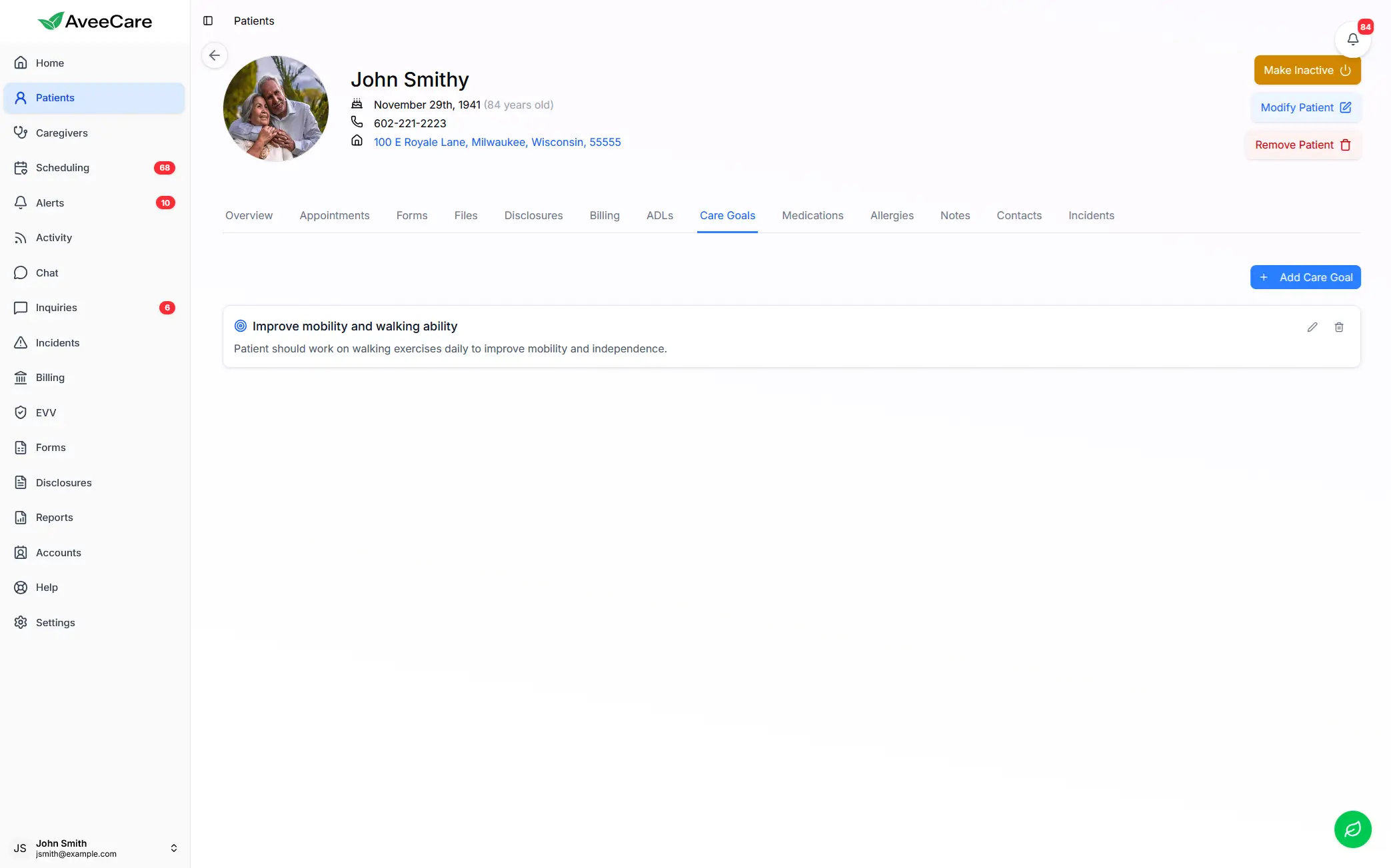
Differentiation tip: In Minnesota's competitive home care market, technology-driven care management sets you apart. Offering real-time visit tracking, transparent family communication portals, and digital care plans shows referral partners and clients that your agency is professional, reliable, and modern. AveeCare provides all these features starting at $6/client/month.
12Frequently Asked Questions
Common questions about starting a home care agency in Minnesota
Yes. Minnesota requires a state license for both non-medical and medical home care agencies. For non-medical personal care services, you must obtain a Basic Home Care License from the Minnesota Department of Health (MDH). This is a key difference from many other states, which do not license non-medical agencies. You will also need a general business registration with the Minnesota Secretary of State, an EIN from the IRS, and registration with the Minnesota Department of Revenue.
Minnesota has a unique two-tier licensing structure. A Basic Home Care License covers non-medical services: personal care assistance, homemaker services, companion care, and help with activities of daily living (ADLs). A Comprehensive Home Care License covers everything under the Basic license plus skilled nursing, therapy, and other medical services. The Comprehensive license requires a designated clinical supervisor (RN), more extensive policies and procedures, and prepares you for Medicare certification. Most new agencies providing only personal care start with a Basic Home Care License.
Starting a Basic home care agency in Minnesota typically costs between $40,000 and $80,000, covering MDH licensing, business formation, insurance, initial marketing, office setup, and 3 to 6 months of working capital. A Comprehensive home care agency with skilled services typically costs $120,000 to $280,000 due to additional MDH licensing requirements, RN staffing, and potential Medicare certification. Costs are higher in the Twin Cities metro area compared to Greater Minnesota.
Yes. Minnesota requires all individuals providing home care services to pass a DHS Net Study (background study) through the Minnesota Department of Human Services before they can deliver care. This is mandatory for both Basic and Comprehensive licensed agencies. The DHS Net Study checks criminal history, the Minnesota maltreatment registry, and other disqualifying factors. Employers submit background studies through the NETStudy 2.0 online system. Results typically take 2 to 5 business days.
Minnesota uses Sandata as its statewide Electronic Visit Verification (EVV) aggregator. Providers can use a third-party EVV vendor that integrates with Sandata, or use the state-provided Sandata solution directly. EVV is required for all Medicaid-funded personal care services (PCA) and home health services under the 21st Century Cures Act.
The MDH licensing process for a Basic Home Care License typically takes 2 to 4 months from application submission to approval, depending on completeness and MDH processing times. A Comprehensive Home Care License may take 3 to 6 months or longer due to additional requirements. In total, from initial planning through business formation, licensing, staffing, and first clients, expect 4 to 8 months for a Basic license agency. Building a client base and referral network typically takes an additional 3 to 6 months after licensure.
Yes, but you must first be licensed by MDH and then enroll as a Medicaid provider with the Minnesota Department of Human Services (DHS). Minnesota Medicaid (Medical Assistance) covers personal care assistance (PCA), home health services, and various Home and Community-Based Services (HCBS) waivers including Elderly Waiver (EW), CADI, Brain Injury (BI), Developmental Disabilities (DD), and Community Access for Disability Inclusion. Most Minnesota Medicaid is managed through managed care organizations (MCOs) such as Blue Plus, HealthPartners, UCare, and Hennepin Health. You must also register with Sandata for EVV compliance.
13Sources and Resources
Official Minnesota state agency links and resources
Ready to manage your Minnesota home care agency?
You do not need software on day one. But when you are ready, AveeCare starts at $6/client/month with no contracts, no mandatory demos, and a free trial. Scheduling, care plans, billing, caregiver management, and real-time alerts in one platform built for simplicity. Manage your Minnesota home care business from anywhere.
Disclaimer
This guide is for informational purposes only and does not constitute legal, financial, or professional advice. While we strive to keep this information accurate and up to date, Minnesota laws, regulations, fees, and requirements may change. Always verify current requirements directly with the Minnesota Department of Health (MDH), Minnesota Department of Human Services (DHS), and other relevant state agencies before making business decisions. Consult with a qualified attorney and accountant in Minnesota before starting your home care business. AveeCare is not affiliated with any Minnesota state agency. Published April 4, 2026.