How to Start a Home Care Agency in Georgia
Your complete 2026 guide to launching a home care business in the Peach State. From DCH Private Home Care Provider licensing to navigating Georgia's growing senior market across Atlanta, Savannah, Augusta, and beyond.
Published April 4, 2026 · 30 min read
TLDR — Georgia at a Glance
Yes — Private Home Care Provider license (non-medical) or Home Health Agency license (skilled) through DCH/HFRD.
Department of Community Health (DCH) — Healthcare Facility Regulation Division (HFRD)
$25,000 – $65,000 (non-medical)
$80,000 – $200,000+ (home health)
2 – 4 months (private home care) | 4 – 8 months (home health)
5.49% flat rate (2026) — register with GA Department of Revenue
1Georgia Market Overview
The 8th most populous state with a fast-growing aging population and diverse regional markets
Georgia is the 8th most populous state in the United States with over 10.9 million residents, making it one of the largest home care markets in the Southeast. Starting a home care agency in Georgia means entering a state with a rapidly growing aging population, a diverse metropolitan core anchored by Atlanta, and significant opportunities in secondary markets like Savannah, Augusta, Columbus, and Macon. Georgia's home care industry is expanding as more families choose in-home care over institutional settings, and the state's moderate cost of living keeps startup costs manageable compared to states like California or New York.
Georgia's home care demand is driven by its large and growing senior population. Approximately 1.6 million Georgians are aged 65 or older, representing about 15% of the population, a percentage that is climbing steadily as the state attracts retirees and existing residents age in place. The Atlanta metropolitan area, home to over 6 million people, dominates the market but also presents intense competition. Smart operators are finding strong opportunities in Georgia's secondary cities and rural communities where demand is high but provider options are limited. For a national overview of the startup process, see our complete guide to starting a home care agency and our state-by-state licensing requirements.
Regional Market Breakdown
Atlanta Metro
The economic engine of the Southeast with 6M+ residents spanning Fulton, DeKalb, Gwinnett, Cobb, Clayton, and dozens of surrounding counties. Extremely diverse population with significant African American, Hispanic, and Asian communities. High demand but intense competition. Home to Emory Healthcare, Piedmont Healthcare, and Grady Health System. Higher operating costs but the largest client base.
Savannah / Coastal GA
Georgia's second-largest metro with a growing retirement population drawn by the coastal lifestyle and historic charm. Chatham County is the hub, with expanding suburbs in Effingham and Bryan counties. Memorial Health (HCA) is the major health system. Lower competition and moderate costs make Savannah attractive for new agencies.
Augusta / East GA
Home to Augusta University Medical Center (the state's only public academic medical center) and Fort Eisenhower (formerly Fort Gordon), which brings a significant military and veteran population. Strong VA referral opportunities and growing senior population in Richmond, Columbia, and Burke counties.
Columbus / West GA
Georgia's third-largest city with Fort Moore (formerly Fort Benning) driving a significant military community. Piedmont Columbus Regional is the major health system. Lower cost of living and less competition than Atlanta make Columbus a strong market for new agencies serving both civilian and military families.
Macon / Central GA
Located in the geographic center of the state, Macon is a hub for central Georgia's aging population. Atrium Health Navicent is the major health system. The surrounding rural counties have high demand for home care with very few providers, creating opportunities for agencies willing to serve wider geographic areas.
Rural Georgia
Georgia has 159 counties, more than any state except Texas. Many rural counties, particularly in south Georgia, have aging populations with limited access to home care services. The Georgia Division of Aging Services and local Area Agencies on Aging are essential partners for reaching underserved rural communities.
Why Start a Home Care Agency in Georgia
2Home Care vs. Home Health in Georgia
Private Home Care Provider vs. Home Health Agency — two distinct paths
Georgia requires licensure for both types. Unlike some states that exempt non-medical companion services from licensing, Georgia requires a Private Home Care Provider license (O.C.G.A. Section 31-7-300 et seq.) for non-medical personal care agencies and a Home Health Agency license for skilled nursing/therapy providers. Both are issued by the Department of Community Health (DCH) Healthcare Facility Regulation Division (HFRD). Understanding which license you need is the most important decision you will make when starting your home care business in Georgia.
Private Home Care Provider
Non-medical personal care under O.C.G.A. Section 31-7-300
- Activities of daily living (ADL) assistance
- Companionship and socialization
- Light housekeeping and meal preparation
- Medication reminders (not administration)
- Transportation and errands
- Respite care for family caregivers
DCH Private Home Care Provider license required
Lower startup costs, faster licensing, most common entry point.
Home Health Agency
Skilled nursing and therapy under physician orders
- Skilled nursing care
- Physical and occupational therapy
- Speech-language pathology
- Medication administration
- Wound care and medical procedures
- Personal care (W-2 employees)
DCH Home Health Agency license required
Higher startup costs, clinical staffing required. Medicare certification available.
3Business Formation in Georgia
Register your home care business with the Peach State

Choose Your Business Structure
Most Georgia home care agencies register as an LLC (Limited Liability Company) for liability protection and tax flexibility. A Georgia LLC costs $100 to file Articles of Organization with the Secretary of State. Corporations are also an option. Georgia has a 5.49% flat income tax rate (2026), which applies to both individuals and pass-through entities.
Register with Georgia Secretary of State
File your Articles of Organization (LLC) or Articles of Incorporation online at sos.ga.gov. You must designate a registered agent with a Georgia street address. Annual registrations ($50 for LLCs) are due by April 1 each year.
Georgia Secretary of StateObtain Your EIN
Apply for a free Employer Identification Number (EIN) from the IRS at irs.gov. You need this for bank accounts, payroll, and tax filings. It takes minutes to obtain online.
Georgia State Tax Registration
Register with the Georgia Department of Revenue (dor.georgia.gov) for state income tax withholding and, if applicable, sales tax. Georgia has a 5.49% flat individual income tax rate. You must also register for unemployment insurance with the Georgia Department of Labor.
GA Department of RevenueCounty/City Business License & Occupational Tax
Georgia counties and cities require local business licenses and occupational tax certificates. Requirements and fees vary by jurisdiction. Fulton County, DeKalb County, Gwinnett County, and the City of Atlanta each have their own processes. Contact your county or city clerk's office for specific requirements.
Open a Business Bank Account
Open a dedicated business checking account to separate personal and business finances. You will need your EIN, Articles of Organization, and local business license. Georgia has many regional and national banks and credit unions offering small business accounts.
4Licensing Requirements
DCH Healthcare Facility Regulation Division (HFRD) licenses all home care providers in Georgia
Private Home Care Provider License — DCH/HFRD
The Georgia Department of Community Health (DCH), through its Healthcare Facility Regulation Division (HFRD), issues the Private Home Care Provider license under O.C.G.A. Section 31-7-300 et seq. This license is required for any agency providing non-medical personal care services in Georgia, including assistance with activities of daily living, companionship, homemaking, and respite care. Requirements include:
- Submit Private Home Care Provider license application to DCH/HFRD
- Designate a qualified administrator responsible for daily operations
- All owners, operators, and direct care staff must pass GCIC/GBI background checks
- Develop written policies and procedures for service delivery and quality assurance
- Maintain care plans for all clients receiving services
- Comply with HFRD inspection and renewal requirements
Home Health Agency License — DCH/HFRD
If you plan to provide skilled nursing, physical therapy, occupational therapy, speech therapy, or other medical services in Georgia, you need a Home Health Agency license from DCH/HFRD. This is a more complex licensing process with higher requirements for clinical staffing, supervision, and documentation. Home health agencies employ licensed clinicians and can pursue Medicare certificationfor federal reimbursement. Requirements include:
- Submit Home Health Agency license application to DCH/HFRD
- Designate a qualified administrator and director of nursing
- All owners, operators, and staff must pass GCIC/GBI background checks
- Maintain comprehensive clinical policies, quality assurance programs, and documentation
- Pass DCH/HFRD on-site survey and inspection
- Renew license and maintain ongoing compliance with state regulations
GCIC / GBI Background Checks
Georgia requires criminal background checks for all direct care workers through the Georgia Crime Information Center (GCIC) via the Georgia Bureau of Investigation (GBI). This is a critical compliance requirement for both Private Home Care Provider and Home Health Agency licensees.
- State criminal history check through GCIC/GBI
- National fingerprint-based FBI check (required for Medicaid providers)
- Check against Georgia nurse aide abuse registry
- Employees with certain disqualifying convictions cannot provide direct care
- Background checks must be completed before employees begin providing services
Medicare Certification
Medicare certification is a separate process from state licensure. To bill Medicare, your Home Health Agency must first hold a DCH/HFRD license, then apply through the Centers for Medicare & Medicaid Services (CMS), pass a federal survey, and meet all Medicare Conditions of Participation. In Georgia, DCH serves as the state survey agency for CMS. With over 1.6 million seniors, Georgia's Medicare beneficiary population represents a significant revenue opportunity for home health agencies.
5Insurance Requirements
Workers' comp required for 3+ employees in Georgia
General Liability
$1,800 - $4,500/yrCovers bodily injury and property damage claims. Recommended minimum: $1M per occurrence / $2M aggregate. Georgia premiums are moderate and among the more affordable in the Southeast.
Professional Liability (E&O)
$1,200 - $3,500/yrCovers errors, omissions, and negligence claims related to care services. Essential for any home care agency in Georgia. Protects your business against malpractice and duty-of-care claims.
Workers' Compensation
$2,500 - $8,000/yrGeorgia requires workers' compensation for employers with 3 or more employees (including the owner). This covers medical expenses and lost wages for employees injured on the job. Most home care agencies reach the 3-employee threshold immediately upon hiring.
Surety / Fidelity Bond
$300 - $1,000/yrProtects clients against employee theft and dishonesty. While not always legally required, many Georgia clients and referral partners expect bonded agencies. A fidelity bond builds trust and demonstrates professionalism in the competitive home care market.
Workers' comp threshold: Georgia requires workers' compensation insurance for employers with 3 or more employees, including the owner or officers of the company. Since most home care agencies hire at least 2 to 3 caregivers immediately, plan to obtain workers' comp coverage before you begin hiring. The Georgia State Board of Workers' Compensation (sbwc.georgia.gov) oversees compliance and enforcement.
6Staffing and Hiring in Georgia
$7.25 federal minimum wage applies, GCIC/GBI background checks, and GA DOL career centers
Recruiting and retaining caregivers in Georgia requires understanding the state's unique workforce landscape. Georgia's state minimum wage of $5.15/houris below the federal minimum, so the federal minimum wage of $7.25/hourapplies to most employers covered by the Fair Labor Standards Act. However, to attract quality caregivers in the competitive home care market, most Georgia agencies pay between $10 and $16 per hour for personal care aides. The Atlanta metro commands higher wages due to cost of living and competition, while rural areas may be closer to the lower end of the range.
GCIC/GBI Background Checks
Georgia requires criminal background checks through the Georgia Crime Information Center (GCIC) via the Georgia Bureau of Investigation (GBI) for all direct care workers. This includes fingerprint-based state criminal history checks and, for Medicaid providers, national FBI checks. Workers cannot begin providing care until their background check clears. Budget 1 to 3 weeks for processing.
Training & CNA Programs
Georgia has CNA training programs through the Technical College System of Georgia (TCSG) and community colleges across the state. Programs at institutions like Atlanta Technical College, Augusta Technical College, Savannah Technical College, and Georgia Piedmont Technical College provide affordable CNA certification and serve as a direct pipeline for caregiver recruitment. Home health aides must complete 75 hours of training including supervised clinical hours under federal requirements.
Where to Find Caregivers in Georgia
CNA programs at 22 technical colleges statewide
Churches are major community hubs in Georgia; many post job listings
Georgia Association for Home Health Agencies
Wages and Labor Laws in Georgia
The federal minimum wage of $7.25/hour applies in Georgia since the state's $5.15/hour minimum is below the federal rate. To attract and retain quality caregivers, most agencies pay between $10 and $16 per hour for personal care aides and $13 to $22 per hour for CNAs and home health aides, with Atlanta metro rates at the higher end. Georgia follows federal overtime rules(1.5x after 40 hours per week). Georgia does not have a state paid family leave law, and there is no daily overtime requirement.
Recruitment tip: Georgia's lower cost of living compared to neighboring states like Florida means that even moderate wages go further. Highlight affordable housing, lower commute costs (especially outside Atlanta), and career advancement opportunities in your job postings to attract quality caregivers from the local workforce and CNA programs at Georgia's technical colleges.
7Medicaid and Medicare in Georgia
DCH Medicaid, Georgia Families, Netsmart EVV, and HCBS waivers (CCSP, NOW/COMP, SOURCE)
Georgia Medicaid
Georgia Medicaid is administered by the Department of Community Health (DCH), the same agency that licenses home care providers. Georgia operates the Georgia Families and Georgia Families 360° managed care programs for most Medicaid beneficiaries. Home and community-based services (HCBS) are delivered through several waiver programs. To serve Medicaid clients, you must enroll as a Georgia Medicaid provider through DCH and may need to contract with the managed care organizations (MCOs) operating in your region.
Georgia MedicaidNetsmart — Electronic Visit Verification
Georgia uses Netsmart as its state-designated Electronic Visit Verification (EVV) system. Georgia operates an open model, meaning providers can use the free Netsmart portal or choose an alternative EVV vendor that integrates with Netsmart as the state aggregator. Under the 21st Century Cures Act, EVV is required for all Medicaid-funded personal care and home health services in Georgia.
HCBS Waivers in Georgia
- Community Care Services Program (CCSP) — personal support services for elderly and disabled adults
- New Options Waiver (NOW) & Comprehensive Supports Waiver (COMP) — services for individuals with intellectual/developmental disabilities
- Service Options Using Resources in a Community Environment (SOURCE) — community-based alternatives to nursing facility care
- Georgia Families managed care plans (CareSource, Amerigroup, Peach State Health Plan)
Medicare Certification
Georgia has over 1.6 million seniors, making Medicare a significant revenue opportunity for home health agencies. To bill Medicare, your home health agency must hold a DCH/HFRD license and then obtain CMS certification. DCH serves as the state survey agency for CMS in Georgia. Expect 3 to 6 months for the certification process after obtaining your state license.
8Startup Cost Estimator
Georgia-specific startup cost breakdown with moderate cost of living
Georgia cost advantage: Georgia's moderate cost of living keeps startup expenses affordable, especially outside the Atlanta metro. Office rents, insurance premiums, and labor costs in cities like Savannah, Augusta, Columbus, and Macon are significantly lower than Atlanta. The $100 LLC filing fee is among the lowest in the nation, and annual registration is just $50.
Business Formation
$1,200 – $3,950Filing Articles of Organization with GA SOS online
Required annually by April 1 for Georgia LLCs
Varies by county; Fulton, DeKalb, Gwinnett, Cobb each differ
Attorney review, CPA setup (moderate GA rates)
Licensing
$10,540 – $27,100Initial application and license fee through HFRD
If providing skilled nursing/therapy services
Per person; fingerprint-based state and national checks
Survey prep, policies, consulting (if applicable)
Insurance (Annual)
$5,800 – $17,000$1M per occurrence / $2M aggregate
Errors and omissions coverage
Required for 3+ employees in Georgia
Employee dishonesty coverage; recommended for client trust
Office & Equipment
$3,700 – $12,200Atlanta metro higher; rural GA much lower
Laptops, smartphones, scheduling software
Desk, chairs, printer, supplies
Marketing & Initial Growth
$3,200 – $10,700Professional site with local SEO for GA market
Google Ads, social media, community outreach
Brochures, flyers, church bulletin inserts
Working Capital (3-6 Months)
$11,000 – $35,000GA wages ($10-$16/hr avg), 5.49% state income tax withholding
Rent, utilities, software, fuel, insurance
Estimated Total Startup Cost (All Categories)
$35,440 – $105,950
Costs are estimates based on typical Georgia home care agency startups and vary significantly by region. The Atlanta metro (Fulton, DeKalb, Gwinnett, Cobb) is at the high end; rural Georgia and secondary cities like Augusta and Macon are more affordable. Georgia's $100 LLC fee and moderate insurance premiums keep overall costs competitive.
9Compliance Checklist
Track your progress across all Georgia requirements
Business Formation
0/7Licensing
0/7Insurance
0/4Staffing
0/6Medicaid & Medicare
0/4Operations
0/5Marketing
0/510Building Your Referral Network
Key referral sources in Georgia for your home care agency
Georgia's large healthcare infrastructure and network of aging services create abundant referral opportunities. Building relationships with major health systems, the Division of Aging Services, Area Agencies on Aging, managed care organizations, faith communities, and physician practices is essential for growing your client base in the Peach State's home care market.
Emory Healthcare
Georgia's largest and most comprehensive academic health system based in Atlanta. Emory University Hospital, Emory St. Joseph's, and Emory Midtown have extensive discharge planning departments. Connect with their case managers and social workers for patient referrals, especially for post-acute home care needs.
Piedmont Healthcare
One of Georgia's largest health systems with hospitals across metro Atlanta and central Georgia, including Piedmont Atlanta, Piedmont Newnan, and Piedmont Athens Regional. Their network of primary care and specialty physicians creates a broad referral pipeline for home care agencies across multiple Georgia markets.
WellStar Health System
A major health system serving northwest metro Atlanta and surrounding areas with hospitals in Kennestone, West Georgia, Cobb, Douglas, and Paulding counties. WellStar's merger with Augusta University Health System expands their footprint further. Their discharge planners are key referral partners for home care agencies.
Grady Health System
Georgia's largest public hospital system serving the Atlanta metro area. Grady Memorial Hospital is one of the largest public hospitals in the Southeast. Given its mission to serve all patients regardless of ability to pay, Grady is a particularly important referral source for Medicaid and underserved populations needing home care services.
GA Division of Aging Services
The Georgia Department of Human Services Division of Aging Services (aging.georgia.gov) oversees senior services statewide. They administer the Aging and Disability Resource Connection (ADRC), Area Agencies on Aging, and programs like the Community Care Services Program (CCSP). Building relationships with local AAAs is critical for Medicaid referrals.
Division of Aging ServicesGAHHA (Industry Association)
The Georgia Association for Home Health Agencies (GAHHA) is the leading trade association for home health providers in Georgia. Membership provides networking, advocacy, education, regulatory updates, and connections with other providers. GAHHA conferences and regional events are prime opportunities to build your referral network.
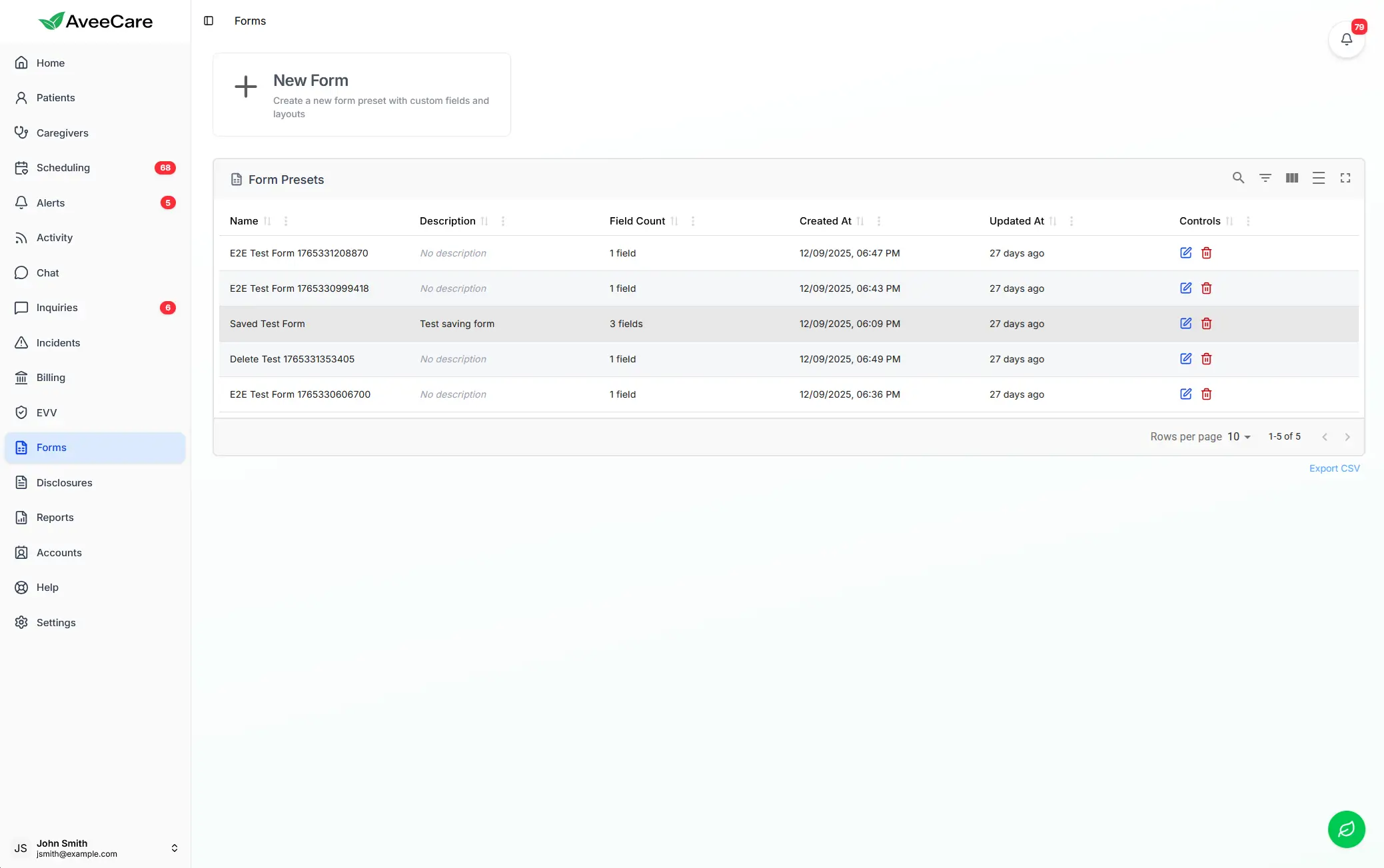
Streamline your Georgia home care agency documentation with digital forms and care plans
Differentiation tip: In Georgia's competitive home care market, culturally competent care across the state's diverse communities, strong relationships with faith organizations, technology-driven documentation and scheduling, and willingness to serve rural communities where few providers operate are your biggest differentiators. Agencies that build deep roots in their local communities will outperform those relying solely on digital marketing.
11Marketing & Client Acquisition
How to market your home care business and attract clients in the Peach State
Marketing a home care agency in Georgia requires understanding the state's unique demographics and cultural landscape: a deeply diverse population, a massive Atlanta metro that dominates but does not define the state, strong faith community networks, significant rural communities with limited provider options, and a growing aging population that increasingly wants to age in place. Whether you are building a private home care agency or a skilled home health business, combining community-based outreach with digital marketing and healthcare referral relationships is essential for growing your Georgia home care agency.
Atlanta Metro Competition Strategies
The Atlanta metropolitan area is Georgia's largest and most competitive home care market, with over 6 million residents spanning dozens of counties. Competition is intense in the core metro (Fulton, DeKalb, Cobb, Gwinnett), but there are smart strategies for differentiating your agency and capturing market share:
Niche Specialization
Rather than competing broadly, specialize in a niche: dementia and Alzheimer's care, post-surgical recovery, pediatric home care, or care for specific chronic conditions. Specialization helps you stand out in a crowded Atlanta market and justifies premium pricing for expert care.
Suburban & Exurban Focus
While inner Atlanta is saturated, fast-growing suburban and exurban counties like Cherokee, Forsyth, Henry, Newton, and Paulding have rapidly aging populations with fewer home care providers. Target these growing communities before they become as competitive as the core metro.
Diverse Community Outreach
Atlanta is one of the most diverse metros in the Southeast with large African American, Hispanic, Asian, and African immigrant communities. Hire caregivers who reflect the communities you serve, offer culturally competent care plans, and market in community-specific channels and languages.
Hospital System Partnerships
Build relationships with discharge planners at Emory, Piedmont, WellStar, Grady, and Northside Hospital. Hospital-to-home transitions are a major source of new clients. Position your agency as a reliable post-acute care partner by demonstrating quick response times and quality outcomes.
Faith Community Partnerships
Georgia has one of the largest and most active faith community networks in the United States. Churches, synagogues, mosques, and other faith organizations are deeply embedded in Georgia communities and serve as trusted hubs for information, support, and resources for families with aging loved ones. Building partnerships with faith communities is one of the most effective and affordable marketing strategies in Georgia:
Church Health Ministry Partnerships
Many Georgia churches have active health ministries, senior ministries, or care teams that support aging members. Offer to present at health ministry meetings, provide educational materials about home care options, and become a trusted resource for the congregation. Large churches like those in the Atlanta metro area can connect you with hundreds of families.
Church Bulletin & Newsletter Advertising
Church bulletins and newsletters reach a highly targeted audience of families with aging parents and grandparents. Many Georgia churches welcome community service advertisements, especially from faith-aligned businesses. The cost is minimal compared to digital advertising, and the trust factor is significantly higher.
Senior Fellowship & Support Groups
Many Georgia churches host senior fellowship groups, grief support groups, and caregiver support groups. Volunteer to facilitate a caregiver support group at a local church, or offer to speak about aging in place and home care resources. These events build trust and position your agency as a compassionate community partner.
Multicultural Faith Communities
Georgia's diverse faith landscape includes African American churches (a major community anchor), Korean churches (metro Atlanta has a large Korean population), Hispanic Catholic parishes, mosques, and Hindu temples. Tailor your outreach to each community's cultural norms and communication preferences.
Suburban & Rural Community Outreach
Georgia's 159 counties include many rural and underserved communitieswhere home care providers are scarce. These areas offer significant opportunities for agencies willing to cover wider service territories. Focus on building relationships with the institutions that rural Georgians trust:
Senior Centers & Community Centers
Georgia has senior centers in virtually every county, often operated by or in partnership with the local Area Agency on Aging. Post flyers, host informational sessions, and sponsor events. Senior centers are where many older Georgians first learn about available home care services.
GA Aging & Disability Resource Connection
The Georgia ADRC (operated by the Division of Aging Services) is a statewide information and referral network that connects older adults and people with disabilities to community services. Get listed as a provider with the ADRC and build relationships with their information specialists who field calls from families seeking home care.
Rural Hospital Partnerships
Georgia's rural hospitals (many operated by community health systems) are often the primary healthcare touchpoint for rural communities. Build referral relationships with rural hospital discharge planners, social workers, and primary care practices associated with these hospitals.
County Extension & Civic Organizations
University of Georgia Cooperative Extension offices, Rotary clubs, Lions clubs, and civic organizations in rural Georgia communities provide platforms for community education about aging in place. Offer to present at meetings and sponsor community health events.
Diverse Demographics Marketing
Georgia is one of the most demographically diverse states in the Southeast, and culturally competent marketing is essential for reaching all segments of the home care market. Tailor your messaging, materials, and outreach to reflect the communities you serve:
African American Communities
Georgia has the third-largest African American population of any state. Marketing in African American communities often centers on church partnerships, community events, and word-of-mouth referrals. Hire caregivers who reflect the community, and emphasize trust, dignity, and family values in your messaging.
Hispanic/Latino Communities
Georgia's Hispanic population has grown significantly, with concentrations in metro Atlanta (especially Gwinnett, DeKalb, and Hall counties), Dalton, and other areas. Bilingual (English/Spanish) marketing materials, Spanish-speaking staff, and outreach through Hispanic community organizations and churches are important for reaching this market.
Digital Marketing Strategies
Google Business Profile
Optimize your Google Business Profile for every city and region you serve. The Atlanta metro is highly competitive for "home care" searches, but secondary markets like Savannah, Augusta, Columbus, and Macon have less competition and lower cost-per-click for ads. Create separate listings for each office location.
Google Ads & Local SEO
Run Google Ads campaigns targeting "home care" keywords for specific Georgia metros and zip codes. CPCs in Atlanta range from $15-30, while secondary markets may be $5-15. Build city-specific landing pages for major Georgia markets to improve organic search rankings.
Social Media & Facebook Ads
Use Facebook and Instagram to reach adult children making care decisions for aging parents. Target Georgia zip codes near senior communities and churches. Share caregiver spotlights, client testimonials, educational content about aging in place, and community involvement stories.
Physician Office Marketing
Georgia physicians, particularly geriatricians and primary care providers in senior-heavy areas, are key referral sources. Visit physician offices with brochures, introduce your services to office managers, and offer to accept their patient referrals with quick turnaround on initial assessments.
Marketing tip for Georgia: The combination of faith community partnerships, healthcare system referrals, senior center outreach, and targeted digital marketing creates a multi-channel approach uniquely suited to Georgia. Start with church partnerships and hospital discharge planners in your immediate service area, then layer in Google Ads and social media as your budget grows. Georgia's strong sense of community means word-of-mouth referrals are especially powerful once you build a reputation for quality care.
12Frequently Asked Questions
Common questions about starting a home care agency in Georgia
Yes. Georgia requires a Private Home Care Provider license from the Department of Community Health (DCH) Healthcare Facility Regulation Division (HFRD) for agencies providing non-medical personal care services, governed by O.C.G.A. Section 31-7-300 et seq. If you provide skilled nursing or therapy services, you need a Home Health Agency license from DCH/HFRD. All direct care staff must pass criminal background checks through the Georgia Crime Information Center (GCIC) via the Georgia Bureau of Investigation (GBI).
Starting a non-medical private home care agency in Georgia typically costs between $25,000 and $65,000, covering GA Secretary of State registration, DCH licensing, insurance, marketing, office setup, and 3 to 6 months of working capital. Georgia has a moderate cost of living that keeps startup costs affordable, especially outside the Atlanta metro. A licensed home health agency with skilled nursing services costs $80,000 to $200,000 or more.
A Private Home Care Provider in Georgia (licensed under O.C.G.A. Section 31-7-300) offers non-medical personal care services such as ADL assistance, companionship, homemaking, meal preparation, and respite care. A Home Health Agency provides skilled nursing, physical therapy, occupational therapy, and other medical services under physician orders. Both are licensed through DCH/HFRD but have different staffing, supervision, and regulatory requirements.
Georgia requires criminal background checks for all direct care workers through the Georgia Crime Information Center (GCIC) via the Georgia Bureau of Investigation (GBI). This includes a state criminal history check and, for Medicaid-participating agencies, a national fingerprint-based FBI check. Georgia also requires checks against the nurse aide abuse registry. Employees with certain disqualifying criminal convictions cannot provide direct care services.
Georgia uses Netsmart as its Electronic Visit Verification system under an open model. Providers can use the free Netsmart portal or choose an alternative EVV vendor that integrates with Netsmart as the state aggregator. EVV is required under the 21st Century Cures Act for all Medicaid-funded personal care and home health services. The Georgia Department of Community Health (DCH) administers the state Medicaid program.
A Private Home Care Provider agency in Georgia typically takes 2 to 4 months to launch, covering business registration with the Georgia Secretary of State, DCH/HFRD license application, background checks, insurance, and initial hiring. A fully licensed Home Health Agency takes 4 to 8 months or longer due to the more extensive DCH application review and potential Medicare certification. Georgia has a 5.49% flat state income tax, so you will need to register with the Georgia Department of Revenue.
13Sources and Resources
Official Georgia state agency links and resources
Ready to manage your Georgia home care agency?
You do not need software on day one. But when you are ready, AveeCare starts at $6/client/month with no contracts, no mandatory demos, and a free trial. Scheduling, care plans, billing, caregiver management, real-time tracking, and alerts in one platform built for simplicity. Manage your Georgia home care agency from anywhere in the Peach State.
Disclaimer
This guide is for informational purposes only and does not constitute legal, financial, or professional advice. While we strive to keep this information accurate and up to date, Georgia laws, regulations, fees, and requirements may change. Always verify current requirements directly with the relevant Georgia state agencies before making business decisions. Consult with a qualified attorney and accountant in Georgia before starting your home care business. AveeCare is not affiliated with the Georgia Department of Community Health, the Georgia Bureau of Investigation, the Georgia Secretary of State, or any Georgia state agency. Published April 4, 2026.