Smart Home Technology for Elderly Care: Devices, Benefits & Implementation
Smart home technology for seniors is transforming how older adults age in place safely and independently. From voice assistants and fall detection to smart medication dispensers, the right devices can extend independence, reduce caregiver burden, and improve safety. This guide covers every device category, helps you choose the right smart home setup for aging in place, and shows home care agencies how to integrate smart home technology into their services. For a broader overview of aging-in-place solutions, see our elderly care technology guide.
The Smart Home Market for Elderly Care
The smart home elderly care market has grown dramatically as technology becomes more accessible and affordable. According to AARP, 77% of adults aged 50 and older want to remain in their homes as they age, and smart home technology for seniors is one of the most effective tools for making that possible. Assistive technology for the elderly now encompasses everything from simple voice-activated reminders to comprehensive sensor networks that can detect falls, monitor daily routines, and alert caregivers to potential problems.
For home care agencies, understanding smart home aging in place technology is increasingly important. Clients and their families are asking about these devices, and agencies that can guide device selection, assist with setup, and incorporate sensor data into care plans have a significant competitive advantage. The convergence of assistive technology for the elderly with home care software platforms creates opportunities for more proactive, data-driven care delivery. Connected health devices also work hand-in-hand with remote patient monitoring, which adds clinical-grade vitals tracking.
Smart Home Device Categories for Seniors
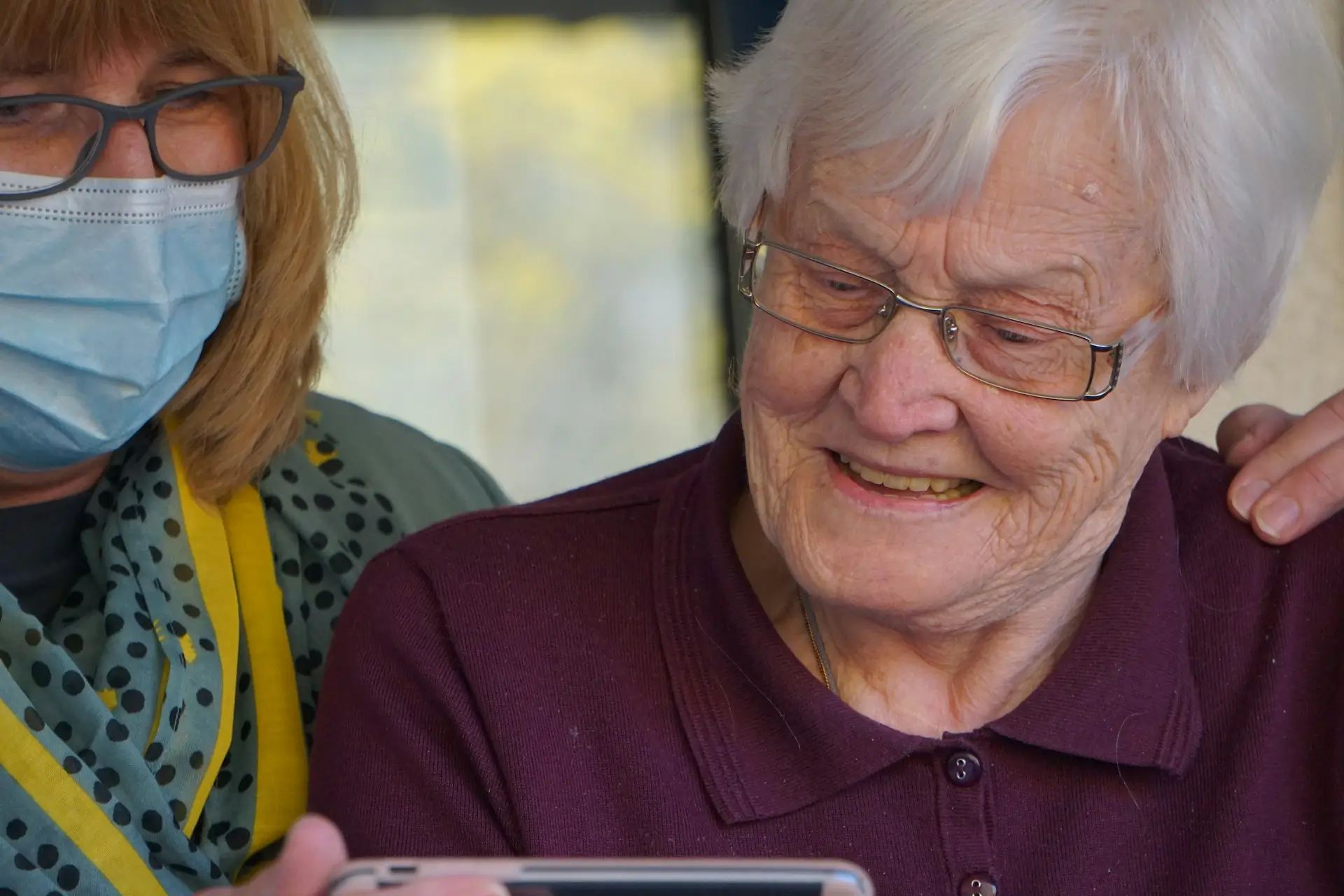
Smart home technology for seniors spans multiple device categories, each addressing different aspects of safety, health, and independence. Understanding these categories helps you choose the right combination of assistive technology for elderly care based on individual needs and budget.
Voice Assistants
Communication | $30-$250Hands-free control of the home, medication reminders, emergency calling, and entertainment
- Hands-free operation for limited mobility
- Medication and appointment reminders
- Emergency calling without reaching a phone
- Video calling with family
Medical Alert Systems
Safety | $50-$350Personal emergency response systems with fall detection and 24/7 monitoring
- Automatic fall detection
- 24/7 professional monitoring
- GPS tracking for wandering
- Waterproof pendants for shower use
Monthly fee: $25-$55/mo
Smart Medication Dispensers
Health | $50-$500Automated medication management with reminders, locking, and caregiver notifications
- Automated dosing schedules
- Missed dose alerts to caregivers
- Locking to prevent double dosing
- Refill reminders
Monthly fee: $15-$40/mo
Motion Sensors
Monitoring | $20-$100Activity monitoring that detects unusual patterns and alerts caregivers to potential problems
- Detect unusual inactivity
- Bathroom visit frequency tracking
- Night wandering alerts
- Non-intrusive monitoring
Monthly fee: None-$20/mo
Smart Cameras & Doorbells
Safety | $40-$300Video monitoring for safe visitor screening and remote check-ins with two-way communication
- Safe visitor screening
- Two-way audio communication
- Remote check-in for family
- Package delivery alerts
Monthly fee: None-$10/mo
Smart Locks
Safety | $100-$350Keyless entry for caregivers with activity logs and temporary access codes
- Keyless entry for caregivers
- Temporary access codes
- Activity log of entries
- Auto-lock after set time
Smart Lighting
Comfort | $10-$60/bulbAutomated and motion-activated lighting to prevent falls and support circadian rhythms
- Motion-activated night lights
- Automated schedules
- Voice-controlled operation
- Circadian rhythm support
Smart Thermostats
Comfort | $100-$300Automated temperature management with remote control and extreme temperature alerts
- Remote temperature monitoring
- Extreme temp alerts
- Energy savings 10-15%
- Schedule automation
Smart Device Recommendation Quiz
Answer a few questions about the living situation, health concerns, tech comfort, and budget to get a personalized list of recommended smart home devices for elderly care.
1. What is the living situation?
2. Primary health concerns? (Select the most relevant)
3. Tech comfort level?
4. What is the approximate budget?
Device Comparison Table
Compare smart home elderly care devices side by side. Filter by category to find the right assistive technology for your specific needs.
| Device | Category | Price Range | Monthly Fee | Best For |
|---|---|---|---|---|
| Voice Assistants | Communication | $30-$250 | None | Limited mobility, Vision impairment, Social isolation |
| Medical Alert Systems | Safety | $50-$350 | $25-$55/mo | Fall risk, Living alone, Cognitive decline |
| Smart Medication Dispensers | Health | $50-$500 | $15-$40/mo | Multiple medications, Memory issues, Complex drug regimens |
| Motion Sensors | Monitoring | $20-$100 | None-$20/mo | Dementia risk, Living alone, Fall prevention |
| Smart Cameras & Doorbells | Safety | $40-$300 | None-$10/mo | Visitor safety concerns, Remote family caregivers, Home security |
| Smart Locks | Safety | $100-$350 | None | Multiple caregivers, Key management issues, Memory concerns |
| Smart Lighting | Comfort | $10-$60/bulb | None | Fall prevention, Vision impairment, Nighttime safety |
| Smart Thermostats | Comfort | $100-$300 | None | Temperature sensitivity, Energy savings, Remote monitoring |
Privacy and Security Considerations
Privacy is a critical concern when implementing smart home technology for seniors. While these devices improve safety, they also collect significant personal data. Balancing monitoring benefits with privacy rights requires careful planning, transparent communication, and proper security practices.
Data Security
- Use strong, unique passwords for every device
- Enable two-factor authentication
- Keep firmware updated regularly
- Use a separate Wi-Fi network for smart devices
Privacy Best Practices
- Limit cameras to common areas only
- Choose devices with local processing when possible
- Review data retention policies of each vendor
- Establish clear consent agreements with the senior
Access Control
- Limit who can view monitoring data
- Use role-based access for multiple caregivers
- Audit access logs periodically
- Revoke access immediately when caregivers change
Common Mistakes
- Installing cameras in bedrooms or bathrooms
- Sharing login credentials among multiple users
- Neglecting firmware and security updates
- Failing to discuss monitoring with the senior first
Smart Home Setup Checklist
Track your progress setting up smart home technology for elderly care. Check off each item as you complete it.
Infrastructure
Devices
Security
Privacy
Training
Follow-up
How Home Care Agencies Can Integrate Smart Home Technology
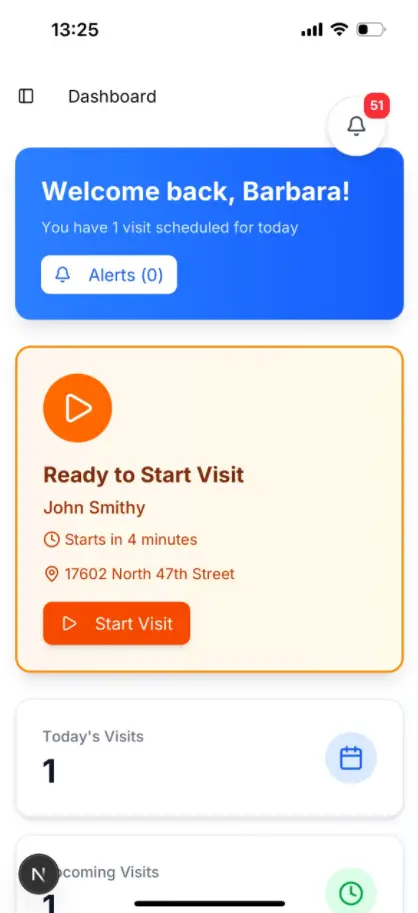
For home care agencies, smart home technology for seniors represents both an opportunity and a differentiator. Agencies that help clients implement and manage smart home devices can provide more proactive care, reduce emergency events, and build stronger relationships with families. Modern home care platforms can aggregate device alerts alongside scheduling and care management for a unified view.
AveeCare mobile dashboard for caregiver monitoring and alerts
Service Differentiator
Offer device setup and training as part of care packages. Position your agency as tech-forward and proactive.
Data-Driven Care
Use sensor and device data to supplement in-person observations. Detect patterns that indicate health changes early.
Family Engagement
Give families visibility into their loved one's daily patterns through shared dashboards, building trust and satisfaction.
Frequently Asked Questions
The best devices depend on individual needs. For fall risk, prioritize medical alert systems with fall detection and motion-activated lighting. For medication management, smart dispensers with caregiver alerts are essential. For social isolation, voice assistants enable hands-free calling and entertainment. Our device recommendation quiz above helps identify the ideal combination based on specific living situations and health conditions.
A basic setup costs $200-$500 (voice assistant, smart plugs, motion sensor). A mid-range setup runs $500-$1,500 (adding medical alert, medication reminders, smart lighting). A comprehensive system ranges from $1,500-$5,000 plus monthly monitoring fees of $25-$60. Some long-term care insurance policies and Medicare Advantage plans may partially cover certain devices.
Yes, significantly. Smart home technology for seniors addresses safety, health monitoring, and independence. Studies suggest it can delay or prevent institutional care by 2-4 years. Motion sensors detect falls, medication dispensers ensure proper dosing, smart locks eliminate key management, and voice assistants provide hands-free control of the entire home.
Key concerns include continuous data collection, cloud storage of personal data, potential unauthorized access, voice assistants recording conversations, and excessive surveillance. Best practices: choose devices with local processing, use strong passwords and two-factor authentication, limit camera placement to common areas, and establish clear agreements about data collection and access.
Agencies can offer device setup and training as part of service packages, use remote monitoring data to supplement visits, partner with vendors for preferred pricing, train caregivers on device management, incorporate sensor data into care plans, and use connected platforms that aggregate alerts alongside scheduling and care management.
Sources & References
Research & Surveys
Technology & Policy
Manage Care with AveeCare
AveeCare provides the mobile-first platform home care agencies need to coordinate care, manage caregivers, and keep families informed. With real-time alerts, AI-powered tools, and caregiver mobile dashboards, AveeCare helps agencies deliver proactive, technology-enhanced care.
Transparent pricing. No mandatory demos. Trusted by agencies across all 50 states.
Disclaimer: This article is for informational purposes only and does not constitute medical, legal, or product advice. Device prices and features are approximate and may change. Smart home devices are not substitutes for professional medical care or emergency services. Always consult healthcare providers before implementing health monitoring technology. Published April 3, 2026.