Pediatric Home Care: A Complete Guide for Agencies & Families
Everything agencies and families need to know about pediatric home care, including age-specific considerations, family-centered care models, insurance coverage, and transition planning for children’s home care in 2026.
Overview of Pediatric Home Care
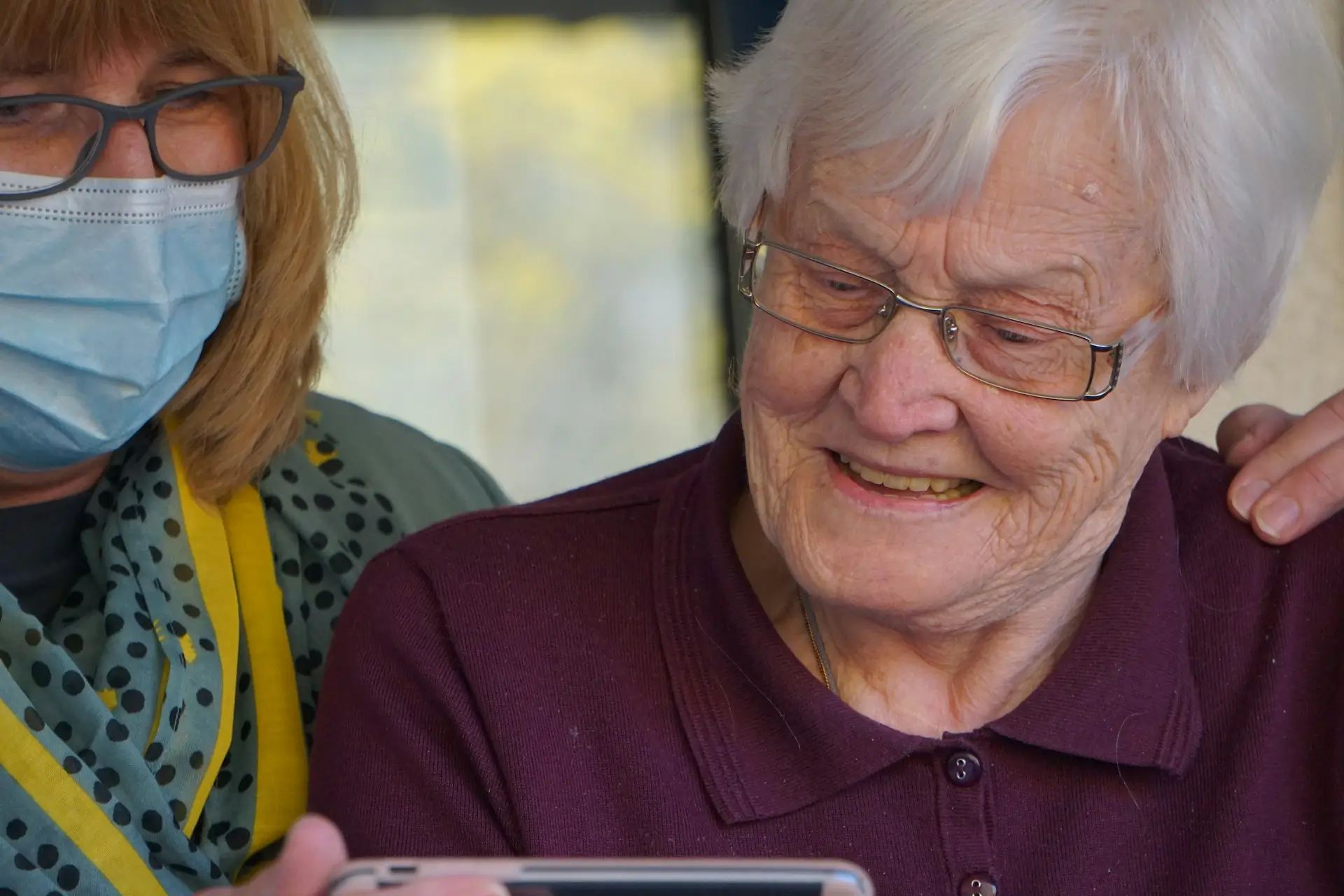
Pediatric home care enables children with medical needs to receive professional care in the comfort and safety of their own homes.
Pediatric home care provides a range of services to children from birth through age 21, allowing medically complex and chronically ill children to live at home with their families rather than in hospitals or residential facilities. Research consistently demonstrates that children receiving home care for chronic conditions have better developmental outcomes, lower infection rates, and higher family satisfaction compared to facility-based care.
Unlike adult home care, pediatric home health services require a family-centered approach where parents are not just informed about care but are active partners in care delivery. The child’s developmental stage drives every aspect of the care plan, from communication strategies to safety assessments to goal-setting. Agencies serving pediatric populations need specialized training, equipment, and workflows to deliver safe, effective care. Review your state's caregiver training requirements to ensure staff meet pediatric competency mandates. For structuring individualized care plans, see our care plan documentation guide.
Common Conditions Requiring Pediatric Home Care
Children with a wide range of medical conditions benefit from professional home care services.
Technology-Dependent
- Ventilator-dependent children
- Tracheostomy care
- Feeding tube management
- Central line/IV therapy
- Home oxygen therapy
Chronic Illnesses
- Cystic fibrosis
- Sickle cell disease
- Type 1 diabetes
- Severe asthma
- Chronic kidney disease
Neurological
- Cerebral palsy
- Epilepsy/seizure disorders
- Traumatic brain injury
- Spina bifida
- Muscular dystrophy
Congenital/Genetic
- Down syndrome
- Congenital heart defects
- Metabolic disorders
- Chromosomal abnormalities
- Birth defects requiring ongoing care
Cancer/Oncology
- Active chemotherapy support
- Post-surgical recovery
- Pain management
- Central line maintenance
- Infection prevention
Developmental
- Autism spectrum disorders
- Developmental delays
- Intellectual disabilities
- Sensory processing disorders
- Communication disorders
Pediatric Service Needs Assessment
Select the child's age group to see age-specific care requirements, safety considerations, and developmental focus areas.
Developmental Milestone Tracker
Track developmental milestones by age group. Check off milestones as they are achieved to monitor progress.
Motor Milestones
Communication Milestones
Family-Centered Care
In pediatric home care, the family is the constant in the child's life and must be recognized as the primary caregiving unit.
Family-centered care is the hallmark of pediatric home health services. Parents and family members are not passive recipients of information but active partners in every aspect of care planning, delivery, and evaluation. Agencies must recognize that family dynamics, cultural values, and parental expertise are integral to successful pediatric home care.
Caregiver Qualifications
Pediatric home care workers need specialized qualifications beyond standard home care training.
Skilled Nursing (RN/LPN)
- Current state nursing license
- Pediatric clinical experience (1+ years preferred)
- Pediatric BLS/PALS certification
- Competency in age-specific vital signs and assessment
- Experience with pediatric equipment (ventilators, pumps)
- Familiarity with pediatric medication dosing
Home Health Aide
- State-required HHA training (75+ hours minimum)
- Pediatric-specific supplemental training
- Infant/child CPR and first aid certification
- Background check and child abuse registry clearance
- Understanding of developmental milestones
- Experience with age-appropriate activities
Pediatric Medication Management
Medication management in pediatric home care requires extra vigilance due to weight-based dosing and unique safety considerations.
Dosing Safety
- Weight-based dosing with current weight
- Double-check calculations for high-alert medications
- Use appropriate measuring devices (oral syringes, not household spoons)
- Maintain current medication reconciliation
- Document administration in real-time
Storage & Access
- Store all medications out of children's reach
- Secure controlled substances per regulations
- Monitor expiration dates
- Proper storage conditions (refrigeration if required)
- Safe disposal of unused medications
School Coordination
For school-age pediatric home care patients, seamless coordination between home care providers and educational settings is essential.
IEP/504 Plan Coordination
- Participate in IEP/504 meetings when invited
- Share relevant health information (with consent)
- Align home therapy goals with school goals
- Coordinate medication schedules around school hours
- Support homework and academic activities during home visits
School Nurse Communication
- Share care plan updates and medication changes
- Coordinate emergency protocols
- Provide training on condition-specific care
- Establish communication channels for urgent matters
- Document school-related health events
Insurance & Funding Sources
Understanding the funding landscape for pediatric home health services is critical for agencies and families.
Medicaid EPSDT
Federal MandateThe Early and Periodic Screening, Diagnostic and Treatment benefit is the most comprehensive coverage source for pediatric home care. Under EPSDT, states must provide all medically necessary services to children under 21, even services not typically covered in the state Medicaid plan. This is a powerful tool for families seeking home care for children with complex needs.
CHIP (Children's Health Insurance Program)
State-AdministeredCHIP provides coverage for children in families with income too high for Medicaid but who cannot afford private insurance. Home care coverage varies by state, but most CHIP programs cover skilled nursing, home health aide, and therapy services with prior authorization.
Katie Beckett / TEFRA Waiver
Income ExceptionNamed after a child whose case prompted legislative change, these Medicaid waiver programs allow children with severe disabilities to qualify for Medicaid based on the child's own income and resources, not the family's. This enables middle-income families to access Medicaid-funded home care services.
Private Insurance
Plan-DependentPrivate insurance typically covers skilled nursing and therapy services in the home with prior authorization and medical necessity documentation. Coverage varies widely by plan. Agencies should verify benefits, obtain pre-authorization, and understand the appeals process for denials.
Pediatric Documentation Checklist
Comprehensive documentation is essential for quality care, regulatory compliance, and insurance reimbursement.
Initial Assessment
Care Plan
Ongoing Documentation
Transition Planning
Transition Planning: Pediatric to Adult Care
Transition planning is a structured process that should begin by age 14 and complete by age 21 to ensure continuity of care.
Introduction Phase
- Introduce the concept of transition to the family
- Begin assessing the adolescent's self-management skills
- Identify long-term healthcare needs and goals
- Begin discussing future insurance coverage options
Preparation Phase
- Create a written transition plan with timeline
- Begin building self-advocacy and self-management skills
- Identify potential adult healthcare providers
- Address legal considerations (guardianship, healthcare proxy)
- Begin transferring care responsibilities to the adolescent
Active Transition Phase
- Introduce the adolescent to adult healthcare providers
- Transfer medical records and care summaries
- Transition insurance coverage (Medicaid eligibility changes at 18-21)
- Establish legal documents (healthcare proxy, guardianship if needed)
- Maximize self-management independence
Completion Phase
- Complete transfer to adult healthcare providers
- Finalize insurance transitions
- Ensure adult care plan is established
- Provide ongoing support during adjustment period
- Close pediatric care record with comprehensive summary
Frequently Asked Questions
Common questions about pediatric home care services, insurance, and family support.
Pediatric home care is the delivery of healthcare and support services to children and adolescents in their homes rather than hospitals. Services range from skilled nursing for medically complex children (ventilator management, tracheostomy care) to personal care assistance, developmental therapy, respite care, and companion services. It allows children to remain with their families while receiving necessary care, which research shows improves outcomes.
Commonly qualifying conditions include technology-dependent conditions (ventilators, feeding tubes), chronic illnesses (cystic fibrosis, diabetes), neurological conditions (cerebral palsy, epilepsy), congenital disorders, premature birth complications, post-surgical recovery, cancer, genetic and metabolic disorders, and developmental disabilities. Eligibility depends on the payer: Medicaid EPSDT covers medically necessary services, CHIP varies by state, and private insurance depends on the plan.
Key differences include family-centered care where parents are active care partners, age-specific clinical competencies and equipment, developmental considerations in care planning, school coordination, different medication dosing, mandatory pediatric specialist involvement, growth and milestone tracking, child-specific safety assessments, insurance differences (CHIP, EPSDT), and transition planning for aging into adult services.
Yes. Medicaid EPSDT requires states to provide all medically necessary services for children under 21, including home care. CHIP covers home care in most states. Private insurance typically covers skilled nursing and therapy with prior authorization. Many states have Medicaid waiver programs (HCBS waivers, Katie Beckett waivers) for children who would otherwise require institutional care.
Skilled nursing requires an RN or LPN with pediatric experience. Home health aides need state training (75+ hours) plus pediatric-specific training. All caregivers need infant/child CPR and first aid, background checks, age-specific vital signs training, competency in specialized equipment, and understanding of developmental milestones. Many states require additional pediatric competencies for medically complex children.
Transition planning prepares pediatric patients for the shift to adult services, typically starting at age 14-16 and completing by 21. It includes identifying adult providers, transferring records, building self-management skills, transitioning insurance coverage, adjusting care goals, and addressing legal changes like guardianship at age 18. Poor transition planning causes care gaps and increased ER visits.
Sources & References
Clinical guidelines and resources referenced in this guide.
- AAP — Policy Statement on Pediatric Home Health Care (Pediatrics, 2024)
- CMS — Medicaid EPSDT Benefit Overview and State Requirements
- Children’s Hospital Association — Pediatric Home Care Best Practices
- Medicaid.gov — CHIP Program Information and State Eligibility
- Got Transition — Six Core Elements of Health Care Transition (2024)
- CDC — Developmental Milestones Checklist (Learn the Signs, Act Early)
- HRSA — Maternal and Child Health Bureau: Home Visiting Programs
- Katie Beckett Waiver — State-by-State TEFRA/Medicaid Eligibility
- National Home Care & Hospice Association — Pediatric Home Care Standards
Disclaimer
This guide is provided for educational and informational purposes only. It does not constitute medical, legal, or professional advice. Pediatric care requirements, insurance coverage, and state regulations vary. Always consult with qualified pediatric healthcare providers and legal counsel when developing care plans and policies for pediatric patients.
Manage Pediatric Home Care with AveeCare
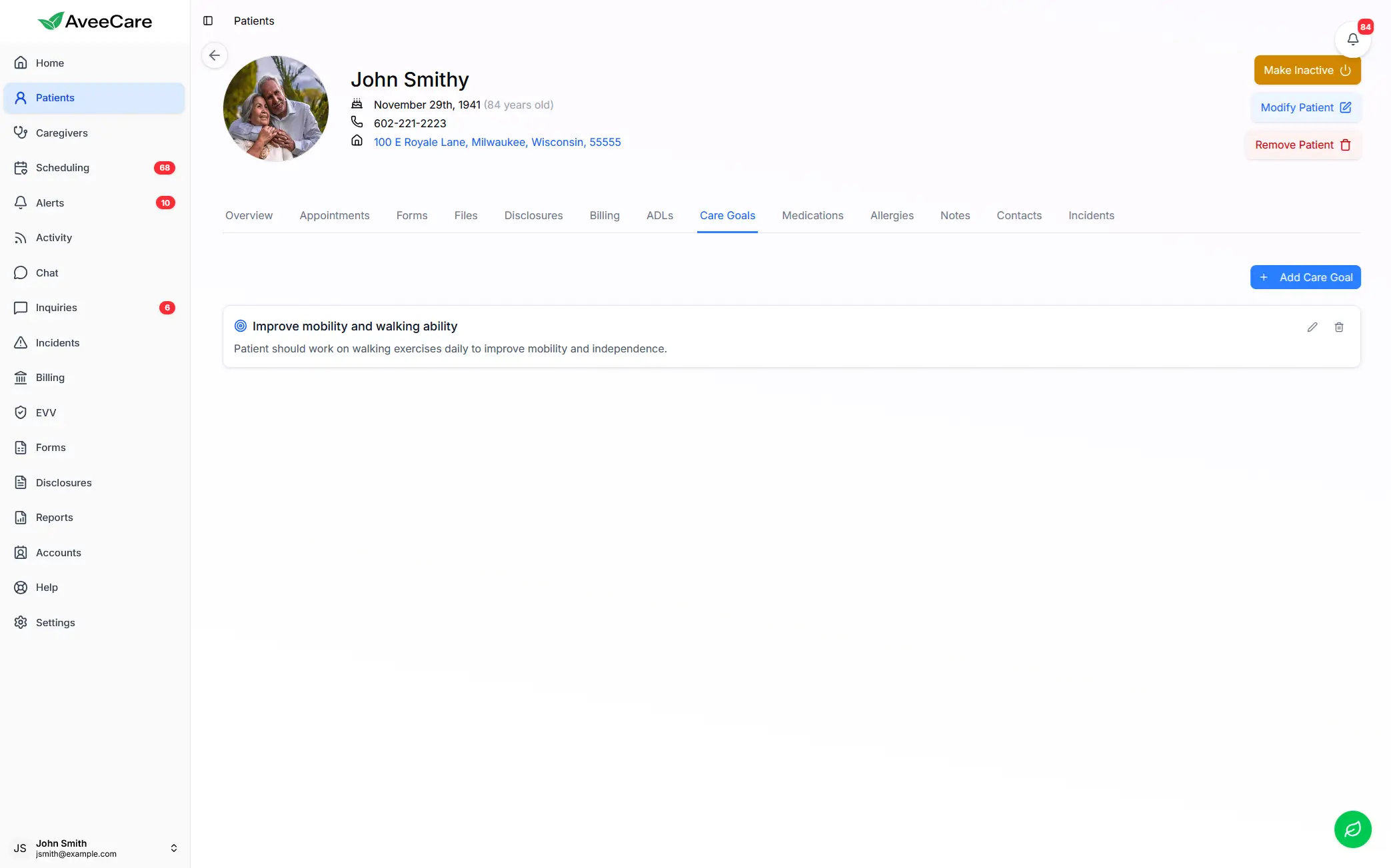
AveeCare’s home care software supports pediatric home care with care goal tracking, customizable documentation, family communication tools, and scheduling that works around school and therapy schedules.