HCBS Case Manager Guide to Service Authorization, Care Plans, and Reauthorization
A nationally-scoped workflow for waiver case managers: authorize hours, oversee the PCSP, verify EVV, and run reauthorization on time.
Published May 26, 2026 · By Cal Nesvig, Founding Partner, AveeCare

Key Takeaways
Reauthorization Readiness Scorecard
Check each item before submitting a reauthorization packet.
What Does an HCBS Case Manager Do Step by Step?
An HCBS case manager follows a seven-phase cycle from eligibility screening through reauthorization, with EVV verification and billing reconciliation checkpoints in between.

This workflow applies across 1915(c), 1915(i), 1915(k), and MLTSS arrangements. State-specific timing and portal requirements vary, but the seven phases are consistent at the federal level.
Receive referral and screen eligibility
Confirm Medicaid enrollment, verify that a waiver slot is available, and review the referral against the state's Level of Care (LOC) eligibility criteria before opening a case.
Complete the Level of Care determination
Use the state-required LOC assessment tool to document functional and medical criteria. The participant must meet nursing-facility-equivalent need for most 1915(c) waivers.
Issue service authorization
Determine the authorized hours per service type based on the LOC and available waiver benefits. Enter the authorization into the state Medicaid portal or MCO system.
Draft the Person-Centered Service Plan
Document participant goals, preferences, and backup plans. Obtain the participant's signature before services begin. The plan must comply with 42 CFR 441.301 PCSP requirements.
Verify agency EVV enrollment
Confirm the home care agency is enrolled with the state EVV aggregator. Verify the participant has a working app or telephony setup for visit check-in and check-out.
Reconcile authorized vs. delivered hours
Monthly, compare EVV-verified visit data against authorized units in the service plan. Flag over-utilization or under-utilization to the agency and document the conversation.
Conduct monitoring visit and trigger reauthorization
Complete the QA monitoring visit checklist. Initiate reauthorization 60 to 90 days before the plan period ends to avoid a gap in authorized services.
Set reauthorization calendar reminders
Create a calendar alert 90 days before each participant's plan end date. Missing the submission window can gap authorized services and disrupt caregiver scheduling.
Billing reconciliation is a federal expectation
Step 6 protects the audit trail. CMS expects authorized units and EVV-verified delivery to match before claims are paid, so reconcile every billing cycle.
Sources: 42 CFR 441.301 · How Medicaid pays home care agencies
What Must a Person-Centered Service Plan Include?
A PCSP must document the participant's goals, preferences, backup plans, risk assessments, informed consent, and all authorized services with hours per service type.
The HCBS Settings Final Rule (42 CFR 441.301, effective 2023 statewide) requires person-centered planning as a condition of federal waiver funding. The plan must reflect what the participant wants, not just what the provider offers.
Participant goals and preferences
Long-term goals, daily routines, and personal preferences documented in the participant's own words.
Backup support plan
Named backup caregiver or agency contact when the primary caregiver is unavailable or calls out.
Risk assessment and mitigation
Identified safety risks, fall hazards, medication management needs, and agreed mitigation steps.
Participant rights and informed consent
Documented explanation of rights, grievance process, and signed consent before services begin.
Authorized services and hours
Each service type listed with frequency, duration per visit, and total authorized units per plan period.
HCBS Settings compliance is non-negotiable
As of May 2023, CMS requires all waiver services to be in settings that are not institution-like. Settings that restrict participant choice or isolate participants from the community are prohibited.
Sources: 42 CFR 441.301 · CMS Settings Final Rule FAQ
What Is the Case Manager's Role in EVV Verification?
The case manager verifies monthly that agency EVV logs capture all six required data elements and that the participant's compliance rate meets the state threshold.

CMS EVV mandate: six required data elements
The 21st Century Cures Act (2016) mandated EVV for all Medicaid personal care services. Every visit must capture six specific data elements to qualify for federal matching funds.
Pull the monthly compliance report
Request the agency's EVV summary each month and confirm every required element was captured per visit.
Flag missing data elements
Identify visits that lack location, time, or caregiver identity, then require the agency to correct the record.
Trigger corrective action under 90%
A compliance rate below the state threshold prompts a documented corrective action plan before the next billing cycle.
Agencies running AveeCare surface the six-element compliance rate per participant, so the case manager's monthly verification becomes a single export review rather than a manual visit-by-visit reconciliation.
Sources: CMS EVV Technical Guide · EVV requirements by state
What Does a Case Manager Check During a Monitoring Visit?
During a monitoring visit, the case manager confirms the PCSP is current, EVV compliance is adequate, all incidents are closed, and caregiver credentials are valid.
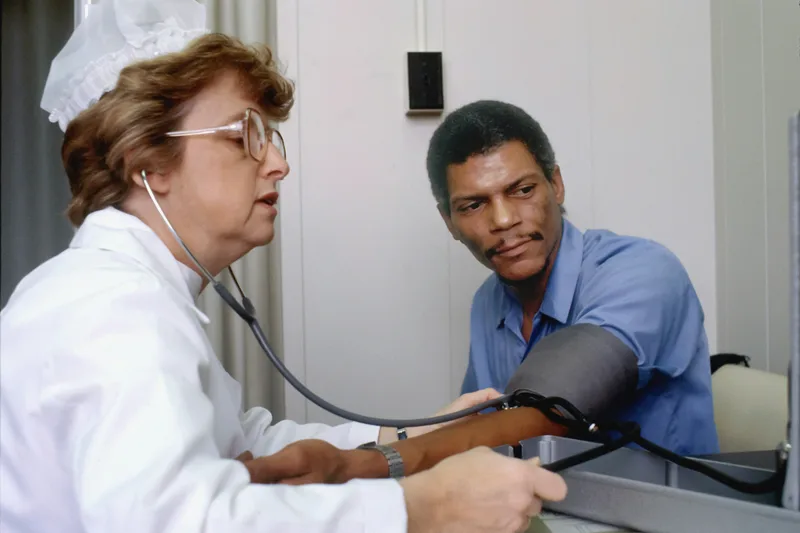
Federal regulations require periodic monitoring to ensure services are delivered per the PCSP and that the agency meets quality standards. Most states require visits every six months for stable participants and more frequently after incidents.
Confirm PCSP is current and signed
Verify the plan on file matches what is being delivered. Collect an updated participant signature if the plan has changed since the last review.
Review EVV compliance rate
Pull the last 90 days of EVV visit data. Flag any visits missing required data elements and request an explanation from the agency for any compliance rate below 90%.
Review all incident reports
Confirm that every incident from the current period has been documented, investigated, and formally closed per state reporting requirements.
Verify caregiver credentials
Check that no certifications, background checks, or required training records have expired for any caregiver currently assigned to this participant.
Assess caregiver continuity
Review caregiver turnover on this participant's case. Excessive changes in assigned caregivers are a quality signal; discuss impact with the participant and family.
Compare authorized vs. delivered hours
Cross-reference the service plan's authorized units against actual EVV-verified hours. Consistent under-delivery may indicate scheduling gaps or unmet need.
Document findings and assign corrective actions
Complete the monitoring visit form. Assign corrective action items with specific deadlines for any deficiencies and schedule a follow-up if needed.
Agency preparation tip
Home care agencies using AveeCare can generate a monitoring-ready compliance summary showing EVV rates, caregiver credential status, and care-plan adherence in a single export before every monitoring visit.
Sources: HHS FY2024 HCBS Quality Measures · PMC HCBS Evolution Study · Evaluating agencies for waiver referrals · Supervisory visit documentation requirements
Frequently Asked Questions
Common questions from Medicaid waiver case managers and home care agency administrators.
An HCBS case manager authorizes home care service hours, drafts and oversees the person-centered service plan, verifies EVV compliance, and conducts periodic monitoring visits to ensure services meet the participant's needs.
A person-centered service plan (PCSP) is a federally required document under 42 CFR 441.301 that captures a waiver participant's goals, preferences, backup plans, and authorized services; it must be updated at every reauthorization cycle.
Most 1915(c) waivers require annual reauthorization, but some states require it every six months; 1915(i) and 1915(k) waivers and MLTSS contracts also typically run on annual cycles, with the exact window set in each state's approved waiver plan.
Yes. Under 1915(c), 1915(i), and 1915(k) waivers, the case manager or care coordinator issues the service authorization that determines how many hours of each service type the participant can receive per plan period.
To qualify for an HCBS waiver, an individual must be Medicaid-eligible, meet the state's functional Level of Care criteria (equivalent to nursing facility level of care for most 1915(c) waivers), and live in a qualifying home or community-based setting.
Yes. Case management for HCBS waiver participants is a reimbursable Medicaid service under most state waiver plans, typically billed by the coordinating agency or MCO at a per-member-per-month or per-unit rate.
Initial Medicaid waiver approval, from eligibility application through first service delivery, typically takes 30 to 90 days depending on state processing times, waiver slot availability, and how quickly the Level of Care assessment and PCSP can be completed.
A waiver case manager specifically manages participants enrolled in a Medicaid HCBS waiver program, which requires specialized knowledge of LOC determinations, service authorization limits, PCSP federal requirements, and EVV compliance obligations.
Sources
- 1. CMS HCBS Home and Community-Based Services (accessed May 26, 2026)
- 2. CMS 1915(c) Waiver Authority (accessed May 26, 2026)
- 3. 42 CFR 441.301 HCBS Settings Final Rule (eCFR) (accessed May 26, 2026)
- 4. CMS HCBS Settings Final Rule FAQs (accessed May 26, 2026)
- 5. KFF: Medicaid Home and Community-Based Services (accessed May 26, 2026)
- 6. CMS Managed Care / MLTSS (accessed May 26, 2026)
- 7. HHS CIB FY2024 HCBS Quality Measures (accessed May 26, 2026)
- 8. CMS EVV Technical Guide (accessed May 26, 2026)
- 9. Home- and Community-Based Services: Evolution and Future Directions (PMC) (accessed May 26, 2026)
About the Author
Cal Nesvig
Founding Partner, AveeCare
Cal Nesvig is a founding partner at AveeCare, a home care software platform serving agencies across all 50 states. He focuses on Medicaid waiver compliance, EVV requirements, and agency operations.
Reviewed for accuracy; reviewer bio forthcoming. This article covers Medicaid waiver regulations and HCBS Settings Final Rule compliance.
Related Guides
Continue Reading
Refer to an agency that stays audit-ready?
AveeCare gives home care agencies real-time EVV compliance dashboards, caregiver credential tracking, and monitoring-visit exports built for your review cycle.
See a free demo